
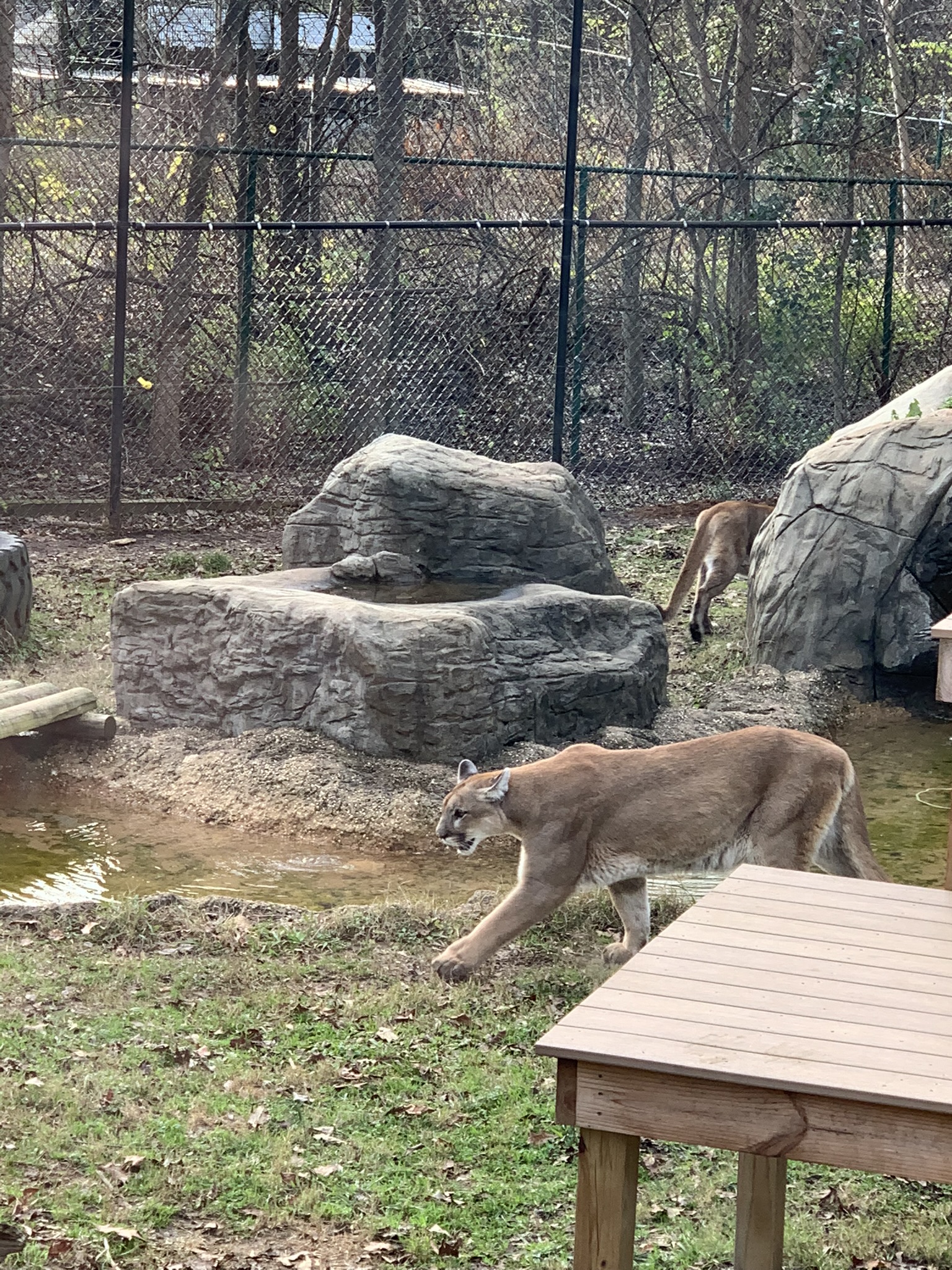
Learn how to choose an ethical zoo with our comprehensive welfare checklist and red flags to watch out for during your visit.
~1,888 words14 sectionsMay 19, 2026A Zoos4You Guide for Families Who Want Better Animal Adventures
It is easy to walk into a zoo and start judging too fast.
One animal is asleep. Another is walking the same path. One exhibit looks beautiful. Another looks plain. A child wants to run to the next animal before you have even had time to read the sign.
We have learned that a good zoo visit asks you to slow down.
Jim and I have visited several zoos across the United States, including Dallas, Fort Worth, Albuquerque, Minot, Memphis, Colorado Springs, Denver, and others. That list keeps growing because Zoos4You is built around real visits, real questions, and real animal experiences.
Our interest in zoos did not start yesterday. Years ago, we visited the San Diego Zoo and the Philadelphia Zoo, and those early visits helped shape our appreciation for large, well known zoos. Since those visits were many years ago, we would not use them as current reviews. But they are part of the reason we still enjoy exploring zoos today. Now, as Jim and I continue visiting more zoos across the United States, we are looking at them with older eyes, more questions, and a deeper interest in animal care, conservation, and the visitor experience.
So far, the medium and larger zoos we have visited have given us good reasons to feel comfortable with responsible zoo travel. Many of the zoos we have visited are also listed by the Association of Zoos and Aquariums as accredited institutions, including Dallas Zoo, Fort Worth Zoo, Albuquerque Biological Park, Roosevelt Park Zoo in Minot, Memphis Zoo, Cheyenne Mountain Zoological Park in Colorado Springs, and Denver Zoo Conservation Alliance. The current AZA list also includes San Diego Zoo and Philadelphia Zoo, although our own visits to those two were many years ago.
That matters, but accreditation is only the beginning of the conversation.
A thoughtful visitor should still learn what to look for.
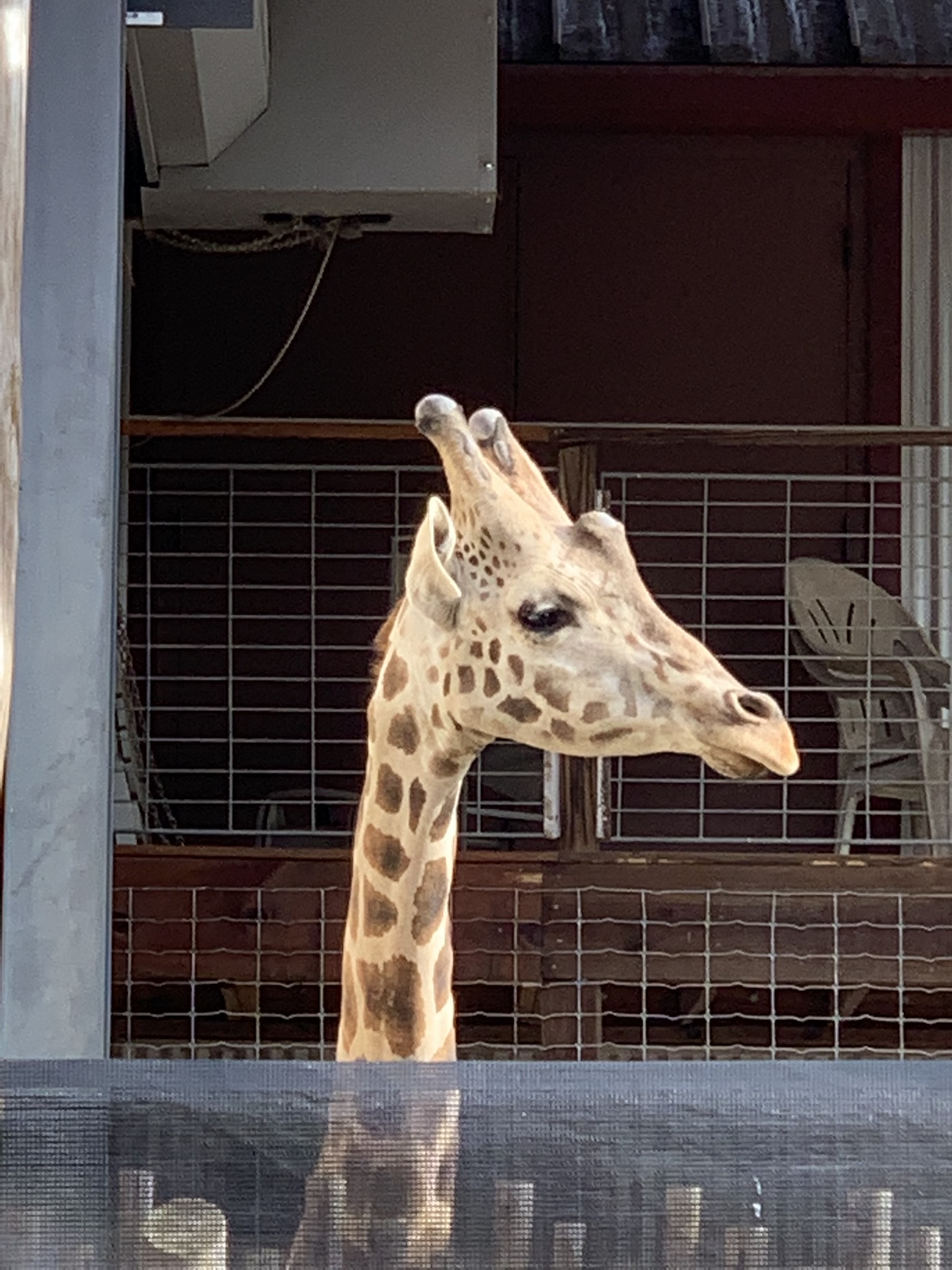
Start with Accreditation, but Do Not Stop There
The Association of Zoos and Aquariums is one of the main places families can start when researching a zoo. According to AZA, accredited zoos and aquariums go through a detailed written application, an onsite inspection, and a hearing before the Accreditation Commission. AZA also says accredited institutions must repeat the full accreditation process every five years.
That is not a small thing.
AZA says its standards examine the entire operation, including animal welfare, veterinary care, conservation, education, guest services, safety, staffing, finances, and governance. Accreditation can also be removed if standards are not maintained.
For families, this gives you a solid starting point. When you see that a zoo is AZA accredited, it means the zoo has gone through outside review. It does not mean every visitor will love every exhibit. It does not mean every animal will be visible every time you walk by. It does mean the zoo has met professional standards that go far beyond a pretty entrance or a cute animal photo.
As of March 2026, AZA lists 240 accredited institutions and 14 accredited related facilities.
Before you visit a zoo, checking accreditation is a smart first step.
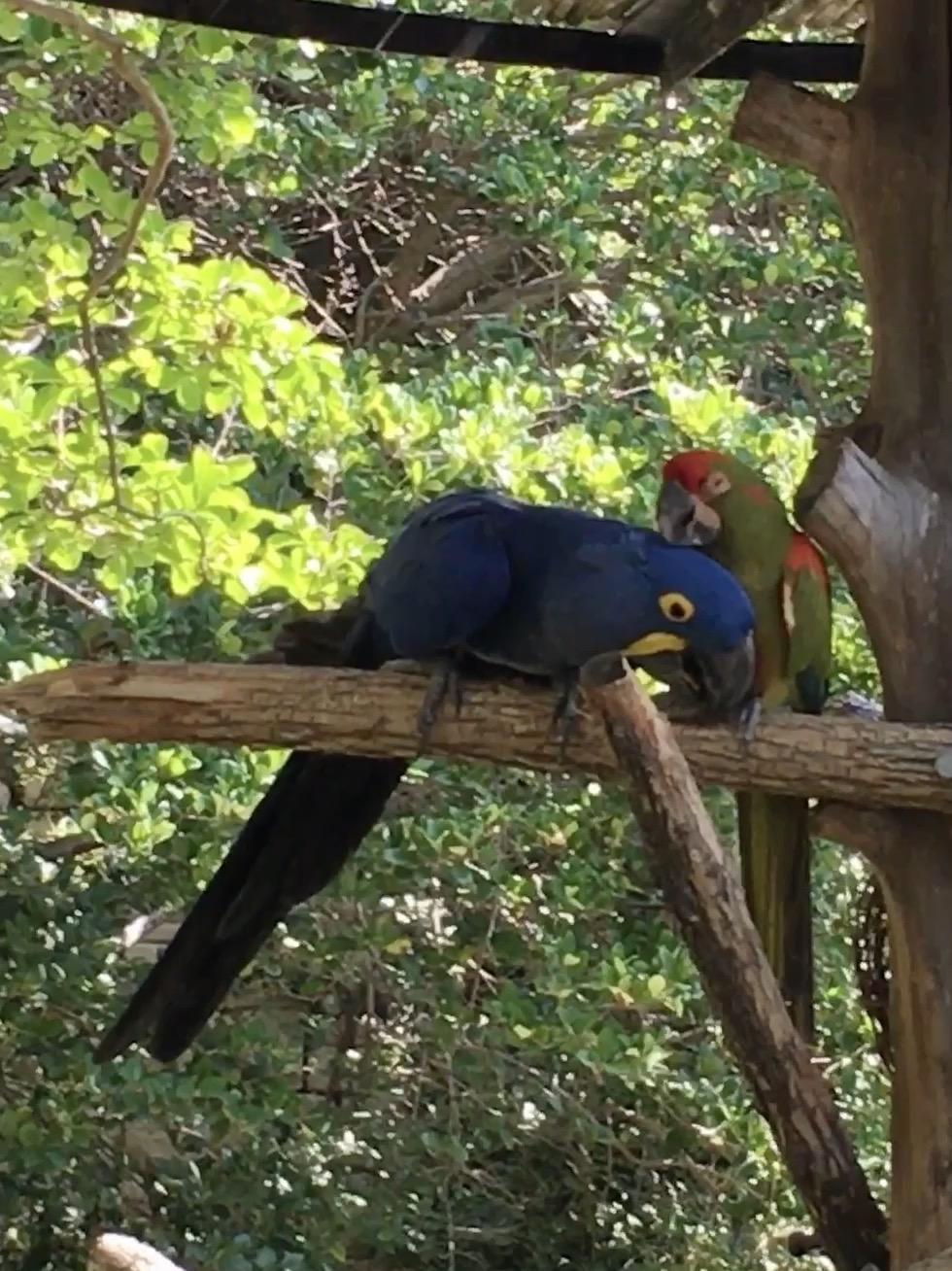
What Ethical Animal Care Looks Like During a Visit
- Ethical care is not always flashy.
- Sometimes it looks like shade.
- Sometimes it looks like clean water.
- Sometimes it looks like an animal choosing to rest away from the crowd.
- Sometimes it looks like a keeper quietly watching from a distance.
- A good zoo does not have to make every animal visible every minute of the day. In fact, one thing we appreciate is when animals have places to retreat. A lion sleeping in the shade may not be exciting for a child who wants action, but rest is part of normal animal behavior.
- When you visit, look for these signs.
- Animals have access to clean water.
- Animals have shade, shelter, or indoor space.
- Exhibits include natural materials, climbing areas, pools, digging spaces, rocks, logs, or branches.
- Animals have some choice in where they spend their time.
- Staff members are present, observant, and calm.
- Signs explain more than the animal’s name.
- The zoo talks about conservation, breeding programs, rescue work, research, or habitat protection.
- The zoo has rules that protect animals from guest behavior.
- The animals appear clean and alert when active.
- The zoo does not encourage guests to tease, chase, feed, yell at, or touch animals in unsafe ways.
You do not have to act like an inspector. Just become a better observer.
Be Careful with Quick Judgments
A sleeping animal does not automatically mean poor care.
A quiet animal does not automatically mean sadness.
A plain looking exhibit does not always mean bad care.
A beautiful exhibit does not automatically mean excellent care.
This is where zoo visits can teach patience. Animals have different habits, different sleep patterns, different needs, and different comfort levels around people. Some are most active early. Some are more active in cooler weather. Some hide when the crowd is loud. Some choose the same resting spot because it feels safe.
That is why one quick glance is not enough.
When we visit zoos, we try to watch for patterns. Is the animal alert when moving? Does it have space to choose? Are there signs of enrichment? Does the zoo explain what guests are seeing? Are staff members nearby? Are there barriers that protect both people and animals?
A thoughtful visitor asks better questions before making strong claims.
Good Questions to Ask During a Zoo Visit
One of the best things families can do is turn a zoo visit into a discovery day.
Instead of only asking, “Where is the next animal?” try questions like these:
- What does this animal have in its space that helps it behave naturally?
- Can the animal get away from people if it wants to?
- Is there shade or shelter?
- Does the sign tell us where this animal lives in the wild?
- Does the sign explain conservation work?
- Do we see toys, feeders, puzzle items, logs, branches, pools, or climbing spaces?
- What would this animal need during hot weather?
- What would this animal need during cold weather?
- What questions could we ask a keeper if one is nearby?
- What did we notice today that we might have missed if we were rushing?
These questions help children learn without turning the visit into a lecture. They also help adults slow down and notice the work behind the exhibits.
Why We Still Believe in Good Zoos
Zoos are not all the same.
That is why Zoos4You cares about helping families choose wisely.
The best zoos are places where people can learn about wildlife, conservation, habitat loss, animal care, and the responsibility humans have toward the natural world. They are also places where families can make memories that stay with them for years.
Our own zoo travels have made us more appreciative of the work good zoos are doing. We have walked through large city zoos, smaller regional zoos, mountain zoos, desert climate zoos, and cold weather zoos. Each one has had its own personality.
Dallas and Fort Worth felt large, established, and full of things to see.
Albuquerque brought a different setting and pace.
Minot reminded us that a smaller city can still offer a thoughtful zoo experience.
Memphis, Denver, and Colorado Springs each had their own layout, terrain, and visitor rhythm.
San Diego and Philadelphia are part of our older zoo memories, and even though those visits were many years ago, they still belong in the story of why we enjoy visiting zoos today.
The more we visit, the more we see that ethical zoo travel is not about checking one box. It is about learning how to look.
Warning Signs Visitors Should Notice
Most of the zoos we have personally visited have been responsible, professional places. That said, families should still know what warning signs look like.
Be cautious if you see:
- Dirty water that appears ignored.
- Animals kept in spaces with no shade, shelter, or resting area.
- Guests allowed to harass animals without staff correction.
- Unsafe feeding opportunities.
- No educational signs or very little animal information.
- Animals used mainly for photo opportunities with no clear explanation of care.
- Staff who seem absent from animal areas for long periods.
- Enclosures that appear poorly maintained.
- No mention of accreditation, conservation, education, or veterinary care.
- A facility that focuses more on selfies than animal well being.
A single concern does not always tell the whole story. Weather, construction, veterinary needs, habitat updates, and animal behavior can all affect what visitors see. Still, repeated concerns are worth paying attention to.
How Families Can Support Ethical Zoos
If you find a zoo that is doing good work, support it.
Buy a ticket.
Become a member.
Attend keeper talks.
Read the signs.
Follow the rules.
Donate when you can.
Share helpful posts from the zoo.
Teach children not to tap glass, yell at animals, throw food, or climb barriers.
Good zoos need visitors who care. They also need visitors who understand that animal care costs money, conservation work takes time, and education matters.
For Zoos4You, this is part of the bigger mission. We want families to have fun, but we also want them to leave knowing something they did not know before.
A Simple Ethical Zoo Checklist
Before your next visit, use this quick checklist.
- Is the zoo AZA accredited or professionally accredited through another recognized organization?
- Does the zoo provide clear animal information?
- Do animals have shade, shelter, water, and resting areas?
- Can animals move away from crowds?
- Are there signs of enrichment?
- Are staff members visible and attentive?
- Does the zoo explain conservation work?
- Are guest rules clear and enforced?
- Does the zoo appear clean and maintained?
- Did the visit leave you feeling more curious and informed?
This checklist is not about criticizing every little thing. It is about becoming a better visitor.
Before You Leave the Zoo
Here is a simple habit families can try before leaving.
Pause for five minutes near one exhibit.
Ask everyone in your group what they noticed. Not just which animal was the cutest or most exciting, but what they noticed about the space.
Was there shade?
Was there water?
Could the animal move away from the crowd?
Was there something to climb, dig, swim in, chew, explore, or investigate?
Did the sign teach you anything new?
That small pause can change the way children remember the visit. It turns the zoo from a place where you saw animals into a place where you learned how to pay attention.
Final Thought
An ethical zoo visit does not begin when you reach the gate.
It begins with the way you look.
Look for care. Look for education. Look for staff effort. Look for conservation work. Look for signs that animals have choices.
We have visited many zoos so far, and our list keeps growing. The more we visit, the more convinced we become that families need practical, honest zoo guidance. Not fear. Not guilt. Not blind praise.
Just better questions, better observation, and better animal adventures.
Reader Reflection
During your next zoo visit, choose one animal and watch for five quiet minutes. What do you notice about its space, behavior, choices, and care that you might have missed if you had rushed past?
Zoos4You Call to Action
Want help planning a better zoo day?
Download the free Zoos4You Ethical Zoo Visit Checklist before your next animal adventure. It gives you simple things to look for, easy questions to ask, and a better way to talk with kids about animal care.
Explore more. Roar more. Smile more.
Sources
Association of Zoos and Aquariums. “About AZA Accreditation.” AZA. Accessed
Association of Zoos and Aquariums. “Institution Status: AZA Accredited Members.” AZA
Association of Zoos and Aquariums. “The Accreditation Standards And Related Policies.” AZA, 2026