Explore Omaha’s Henry Doorly Zoo and Aquarium, a top destination for families. Get tips to handle crowds and maximize your visit.
~5,153 words18 sectionsMay 18, 2026Planning a visit to Omaha’s Henry Doorly Zoo and Aquarium can feel exciting before you ever walk through the gate. This is the kind of zoo that makes people say, “We probably need more than one day here.” It is big, popular, full of major exhibits, and packed with the kind of animal experiences that can become family memories.
For families, that can be wonderful and a little overwhelming at the same time. Children may want to see everything. Parents may be trying to manage snacks, strollers, tickets, bathroom breaks, tired feet, and the weather. Couples may want a slower, more relaxed day. Animal lovers may want time to read signs, take photos, and really understand the habitats. Omaha gives all of those visitors something special, but it helps to have a plan before you arrive.
At Zoos4You, we love zoos that offer more than a simple day out. We look for places that create wonder, teach something meaningful, and help visitors feel connected to wildlife. Omaha’s Henry Doorly Zoo and Aquarium does that beautifully. It is not only a place to see animals. It is a place where visitors can step into a desert, walk through a rainforest, explore a nocturnal world, pass through an aquarium tunnel, and learn how conservation work reaches far beyond Nebraska.
That is why this zoo is often viewed as a gold standard zoo destination. It combines unforgettable exhibits with serious conservation science. It gives families the excitement of a major attraction, while also showing why habitats, animal care, and global conservation matter.
The key is knowing how to enjoy it without letting the crowds take over your day. The Desert Dome, Kingdoms of the Night, Lied Jungle, and Scott Aquarium are all major draws. Without a plan, it is easy to spend too much time in crowded walkways or feel rushed from one area to the next. With a simple strategy, you can slow down, notice more, and create the kind of zoo day your family will actually remember.
A Zoo Visit That Feels Like Several Worlds in One Day
One of the first things visitors notice about Omaha’s Henry Doorly Zoo and Aquarium is that it does not feel like one single zoo path. It feels like a journey through several different worlds. In one visit, you can move from bright desert landscapes to dark nocturnal habitats, from a humid rainforest to underwater ocean scenes, and from wide outdoor grasslands to mountain inspired animal spaces.
That variety is one of the reasons Omaha stands out. Many zoos have strong individual exhibits, but Omaha is known for building large immersive environments that make visitors feel surrounded by the habitat. Instead of simply looking at animals from the outside, guests are encouraged to notice the setting, the climate, the plants, the sounds, and the way each animal is connected to its environment.
This matters because families remember experiences. A child may not remember every animal name on a sign, but they may remember walking under the enormous Desert Dome and feeling like they stepped into another part of the world. They may remember the darkness of Kingdoms of the Night, the movement of fish overhead in the aquarium tunnel, or the sound of water inside Lied Jungle. Those moments become the stories people tell later.
For parents and grandparents, those little moments are often the best part of a zoo trip. It may be the look on a child’s face when they see a penguin for the first time. It may be a quiet pause in front of the gorillas. It may be the family conversation that starts when someone asks, “Why does that animal look like that?” or “How does it survive in the desert?” A great zoo gives visitors room for those questions.
Omaha’s Henry Doorly Zoo and Aquarium does this especially well because it is built around discovery. The zoo is large enough to feel like an adventure, but its best exhibits also invite visitors to slow down. That balance between excitement and learning is what makes the zoo feel different from an ordinary attraction.
The visitor experience is also tied to a larger purpose. Omaha is not only known for its public exhibits. It is also involved in conservation work, scientific research, animal care, and habitat protection projects. That means a visit can be fun and meaningful at the same time. Families can enjoy a full day together while also learning that animals are part of bigger ecosystems that need protection.
That is the real strength of Omaha. It gives visitors wonder first, then invites them to care.
Why Omaha Is Often Seen as a Gold Standard Zoo
Omaha’s Henry Doorly Zoo and Aquarium is frequently regarded as one of the best zoo experiences in the country because it feels like a collection of worlds rather than just cages. The zoo’s exhibit guide highlights major environments like the Desert Dome, Lied Jungle, Mahoney Kingdoms of the Night, Scott Aquarium, Scott African Grasslands, Hubbard Gorilla Valley, Hubbard Orangutan Forest, Owen Sea Lion Shores, and Hubbard Expedition Madagascar. Together, these areas offer an unusually wide range of habitats in one location.
This variety is significant. A child can walk beneath a massive desert dome, listen to waterfalls in a rainforest, watch penguins in a snowy Antarctic habitat, stand near gorillas, and see sea lions through underwater viewing. Such design fosters a day filled with discovery.
For families, this is one of Omaha’s greatest strengths. There is enough indoors to make the zoo enjoyable on hot, cold, windy, or rainy days. There is also enough outdoors to keep the visit active and adventurous. Major exhibits satisfy serious animal lovers, while visually exciting spaces engage children who may not stop to read every sign.
The zoo effectively connects the visitor experience to conservation. You are not just observing animals; you are being introduced to deserts, rainforests, oceans, grasslands, and endangered habitats, understanding why these places matter.
This is one reason Omaha resonates so well with Zoos4You readers. It is fun, but it is not empty fun. It offers wonder with purpose.
The Desert Dome: The Landmark Everyone Talks About
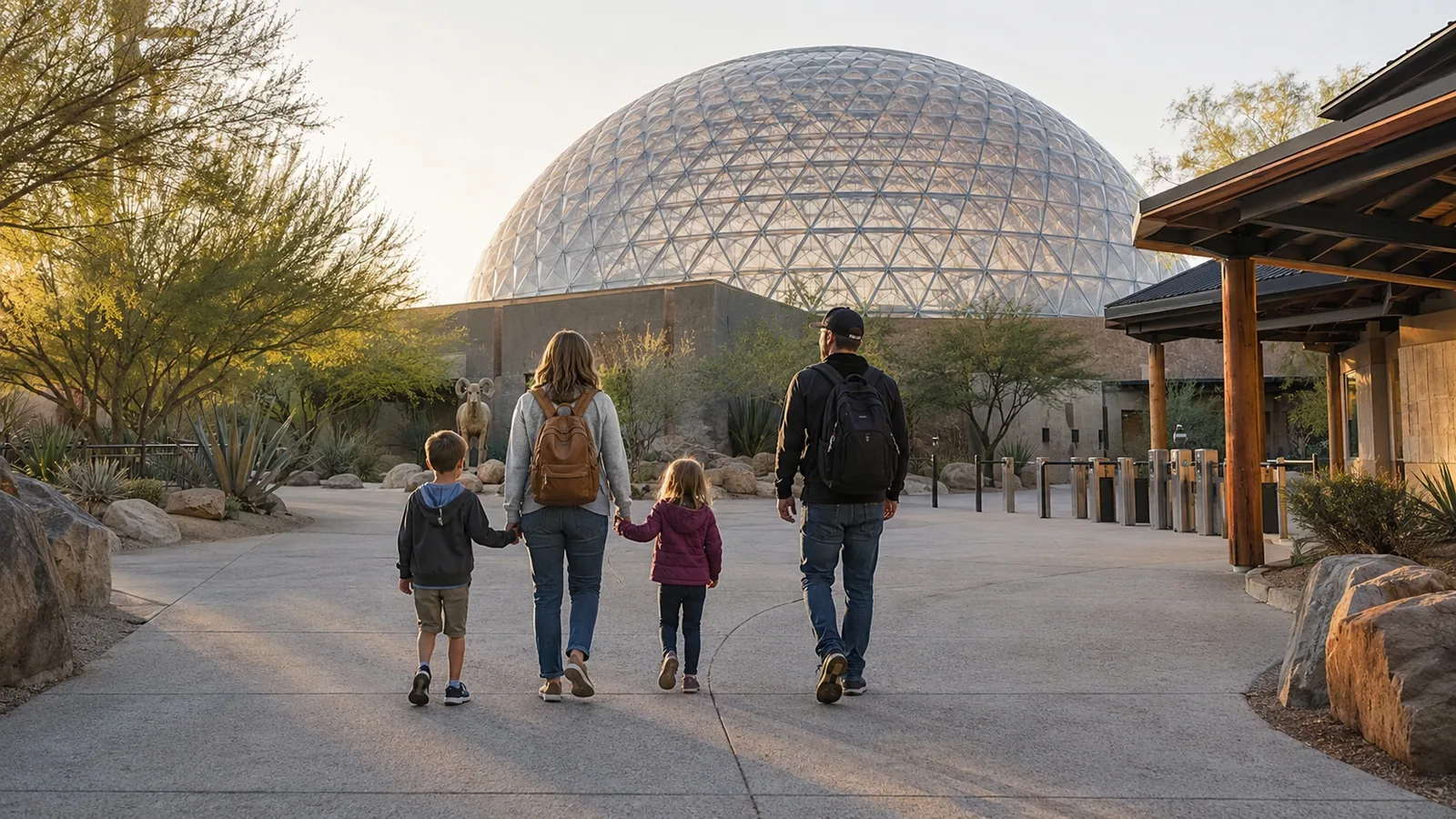
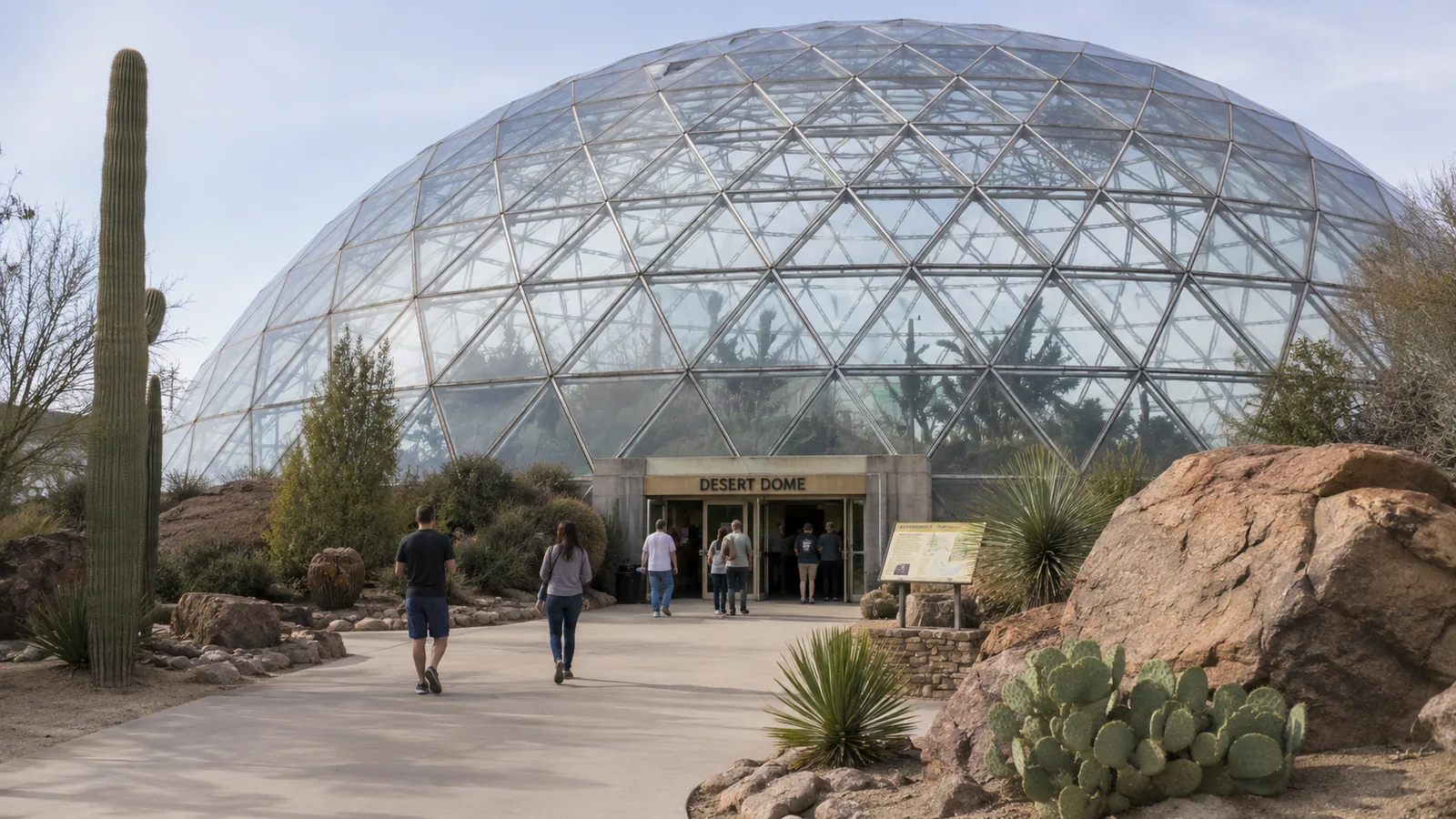
The Desert Dome is one of the most famous features at Omaha’s Henry Doorly Zoo and Aquarium, and it is easy to understand why. Before visitors even step inside, the dome itself makes a strong impression. It rises above the zoo like a landmark and signals that this visit is going to be different from a typical walk through animal exhibits.
The zoo describes the Desert Dome as the world’s largest indoor desert, located under the world’s largest glazed geodesic dome. Inside, visitors explore desert environments inspired by three different regions: the Namib Desert of southern Africa, Australia’s Red Center, and the Sonoran Desert of the southwestern United States.
That variety gives families a natural way to compare habitats. One desert may look sandy and open. Another may feel rocky, colorful, and rugged. Another may highlight plants and animals that are familiar to people from the American Southwest. This is a great place to help children understand that the word “desert” does not mean every desert looks exactly the same.
Instead of rushing through the Desert Dome, families can turn it into a discovery challenge. Ask children to look for clues that show how animals survive in dry places. Which animals use camouflage? Which ones stay close to rocks or shade? Which ones have bodies built for heat, digging, climbing, or conserving water? These questions do not make the visit feel like homework. They simply help everyone notice more.
The Desert Dome is also a good place to talk about animal adaptations. Desert animals often need special ways to find food, avoid predators, stay cool, or survive with limited water. Even young children can understand this when you ask simple questions such as, “Where would you hide if you lived here?” or “What would make it hard to find water in this habitat?”
For adults, the exhibit is impressive because of its scale and design. For children, it can feel like stepping into an adventure story. That is why the Desert Dome should not be treated as a quick photo stop. It is one of the zoo’s signature experiences and deserves time.
A helpful family tip is to let everyone choose one thing they noticed inside the dome. One person may choose the sand, another may choose a reptile, another may choose the shape of the rocks, and another may notice how different the plants look from the plants back home. This small habit helps turn the exhibit from something you pass through into something you remember.
Best Time to Visit the Desert Dome
The best time to visit the Desert Dome is usually right when the zoo opens. This is especially true if you are visiting during summer, spring break, a weekend, or a holiday period. Because the Desert Dome is one of the zoo’s most recognizable attractions, many visitors want to see it. The earlier you arrive, the more likely you are to enjoy it before the walkways feel crowded.
This matters because the Desert Dome is not just something to look at from one viewing window. It is an exhibit you move through. Families stop to take photos, children pause to look for animals, and visitors often slow down in the most interesting areas. When the crowds build, that slower pace can turn into congestion.
A good strategy is to arrive before opening, enter with your tickets already purchased, and make the Desert Dome your first major stop. This gives your family the best chance to enjoy the exhibit with less pressure from the crowd behind you.
Late afternoon can also work well, especially if your family is not trying to see everything in one day. By then, some visitors may be leaving, eating, or moving toward outdoor areas. However, early morning is still the strongest choice if the Desert Dome is high on your must see list.
Midday is usually the hardest time for this exhibit. On hot days, indoor areas become natural cooling off spots. On rainy or cold days, families also move indoors. That means the Desert Dome, Kingdoms of the Night, Lied Jungle, and the aquarium can become especially busy during the middle of the day.
For families with children, timing can change the whole feel of the visit. A calm morning walk through the Desert Dome gives children more room to look, ask questions, and enjoy the details. A crowded midday walk may feel more like trying to keep everyone moving. If this is your first visit, choose the calmer option whenever possible.
Do Not Skip Kingdoms of the Night
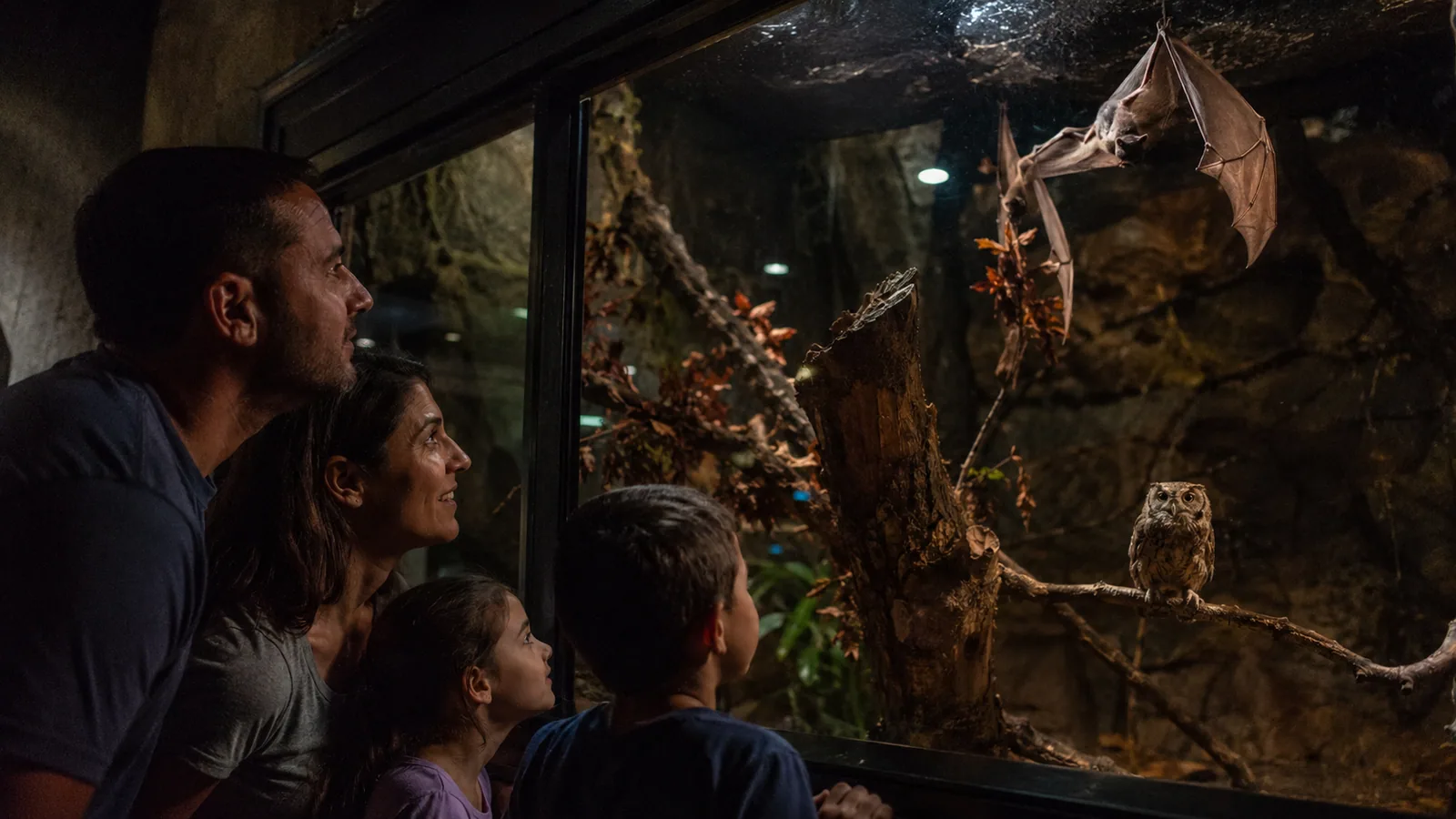
One of the best tips for visiting Omaha’s Henry Doorly Zoo and Aquarium is this: do not leave the Desert Dome area without also visiting Kingdoms of the Night. This exhibit is located beneath the Desert Dome, and the two experiences work beautifully together.
The Desert Dome gives you light, heat, rockwork, sand, and open desert habitats. Kingdoms of the Night takes you below into a darker, quieter world where nocturnal animals become the focus. The contrast is part of what makes the experience so memorable.
This is a wonderful place to encourage children to slow down and use their observation skills. In a darker exhibit, you often have to look more carefully. Ask questions such as, “What helps this animal move in the dark?” “Why might big eyes be useful at night?” “What sounds would matter if you could not see very well?” These questions help children think like young explorers.
Kingdoms of the Night also teaches patience. Some of the best moments happen when visitors stand still and let their eyes adjust. Families who rush through may miss movement, details, or animals tucked into the habitat. This is a good reminder that zoo visits are not only about covering ground. Sometimes the best discovery happens when you pause.
For crowd control, visit Kingdoms of the Night immediately after the Desert Dome. Darker pathways can feel more crowded later in the day because people move slowly and stop often. Going early gives your family more space and makes the experience feel more mysterious instead of hectic.
This is also one of those exhibits that children may talk about later. The darkness, the unusual animals, and the feeling of entering a hidden world can make a lasting impression. When a zoo creates that kind of memory, it is doing more than displaying animals. It is helping visitors feel curiosity.
How to Handle the Crowds at Omaha’s Henry Doorly Zoo
The best way to handle the crowds at Omaha’s Henry Doorly Zoo and Aquarium is to avoid wandering. This is a zoo where planning pays off.
Start by purchasing tickets ahead of time. The zoo encourages guests to buy tickets in advance to reduce wait times at the gate. The zoo is open year-round except Thanksgiving Day and Christmas Day, and parking is free for guests.
If you are visiting during a busy season, arrive before opening. This means being parked, organized, and ready to enter when the gates open, not just pulling into the parking lot at opening time.
Once inside, choose your first major exhibit and head there with purpose. If the Desert Dome is your top priority, start there. Then continue to Kingdoms of the Night. After that, move toward Lied Jungle before the midday indoor crowd builds.
This route works because it provides a strong indoor morning. It also allows you to see several of the zoo’s most famous exhibits before everyone gets hot, hungry, tired, or seeks the same indoor break.
A practical crowd strategy could look like this:
- Arrive before opening.
- Enter with tickets already purchased.
- Go straight to the Desert Dome.
- Continue immediately into Kingdoms of the Night.
- Move to Lied Jungle before midday.
- Use lunch as a reset before everyone gets too tired.
- Visit the Scott Aquarium during the heat of the day or later in the afternoon.
- Save outdoor spaces like African Grasslands, Asian Highlands, Owen Sea Lion Shores, Hubbard Gorilla Valley, or Hubbard Orangutan Forest for when the crowd has spread out.
This does not mean every family has to follow the same route. The best path depends on weather, ages, mobility, energy levels, and which animals matter most to your group. However, the main idea remains: see the most popular indoor spaces before the indoor rush.
Weekdays are generally better than weekends. Cooler seasons can also be easier than peak summer. A cloudy day can sometimes be better than a perfect sunny day because casual crowds may stay home, while you still have plenty of indoor exhibits to enjoy.
Turn the Visit into a Discovery Experience
One of the easiest ways to make a zoo visit more meaningful is to give your group simple things to look for during the day. This works especially well at Omaha’s Henry Doorly Zoo and Aquarium because the exhibits are so different from one another.
Before entering the first major exhibit, ask each person to choose a discovery goal. One person can look for the best camouflage. Another can look for the most colorful animal. Someone else can look for the animal with the most unusual way of moving. A younger child can simply look for an animal that makes them smile.
These small challenges keep everyone engaged. They also help children notice details instead of only asking, “What are we seeing next?” At a large zoo, it is easy to move too quickly. Discovery questions help families slow down.
Here are a few simple questions to use during the visit:
What does this animal need to survive in this habitat?
How does this animal stay safe?
What would be hard about living in this environment?
What does this exhibit make you curious about?
How is this habitat different from the last one we visited?
Which animal would you like to learn more about when we get home?
These questions work because they are open ended. There is not always one perfect answer. They invite children and adults to think, compare, and wonder.
For couples or adult visitors, the same idea can make the day richer. Choose one exhibit where you will not rush. Read the signs. Notice the habitat design. Watch one animal for several minutes instead of moving on immediately. Take one photo that captures the feeling of the day rather than simply trying to photograph every animal.
At Zoos4You, we believe the best zoo visits are not measured by how many exhibits you checked off a list. They are measured by what stayed with you after you left.
Lied Jungle: A Rainforest in the Middle of Omaha
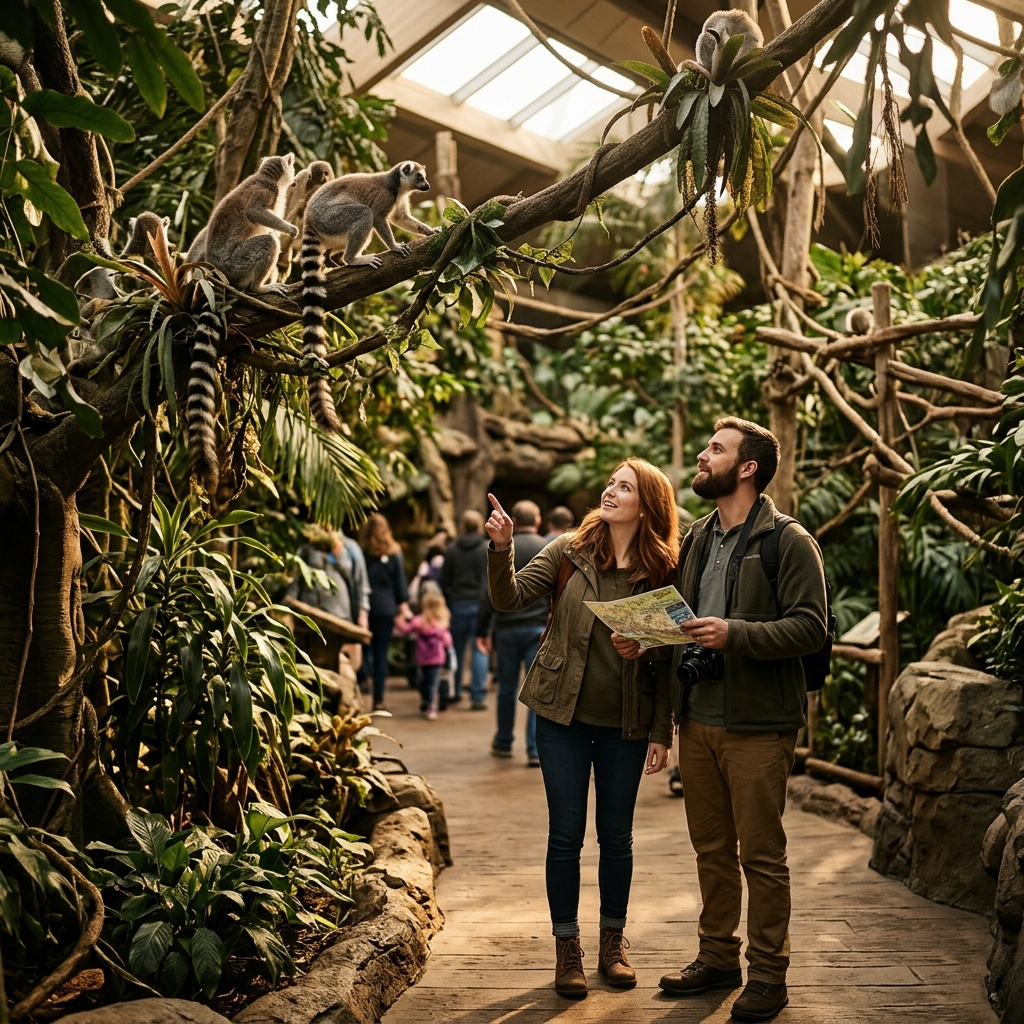
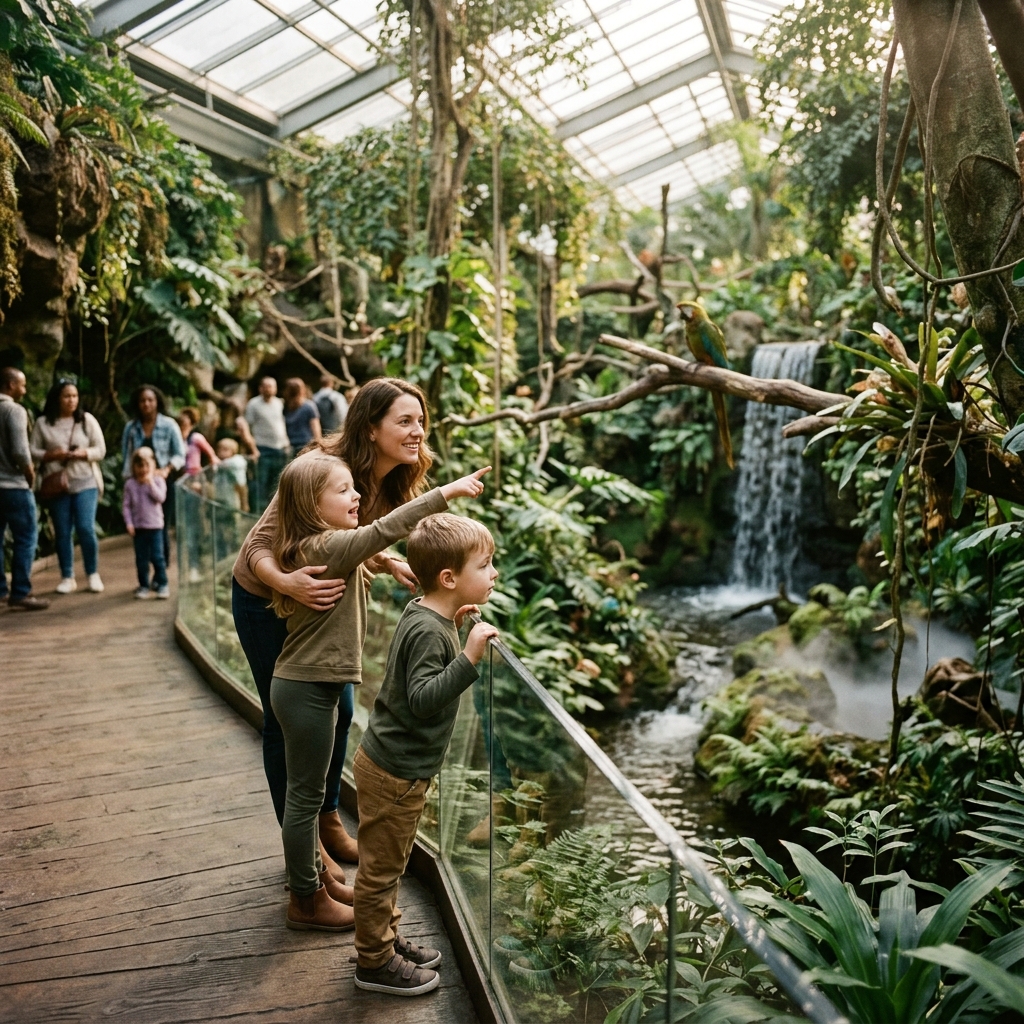
Lied Jungle is another reason Omaha feels like a gold standard zoo. The zoo describes Lied Jungle as North America’s largest indoor rainforest. It features a four-story habitat showcasing rainforest environments from South America, Africa, and Asia, complete with swinging bridges, waterfalls, humidity, pygmy hippos, otters, primates, and vibrant amphibians.
Pacing is crucial in this exhibit. Because it is immersive, visitors naturally slow down. They stop on bridges, pause near viewing areas, look for animals in trees, and take photos of the waterfalls and plants.
This is wonderful when the exhibit is calm but can be frustrating when pathways are packed.
For that reason, I recommend placing Lied Jungle in the first half of the day if it is important to you. After visiting the Desert Dome and Kingdoms of the Night, Lied Jungle is a smart next stop. It keeps your morning focused on the zoo’s indoor icons and gives your family a strong sense of the zoo’s scale and creativity.
It is also a fantastic exhibit for children who enjoy movement and atmosphere. They are not just observing one habitat; they are crossing bridges, hearing water, feeling humidity, and searching for animals hidden in layers of forest.
This is the kind of exhibit that transforms a zoo visit into an adventure.
The Scott Aquarium: A Midday Reset with Big Wow Factor
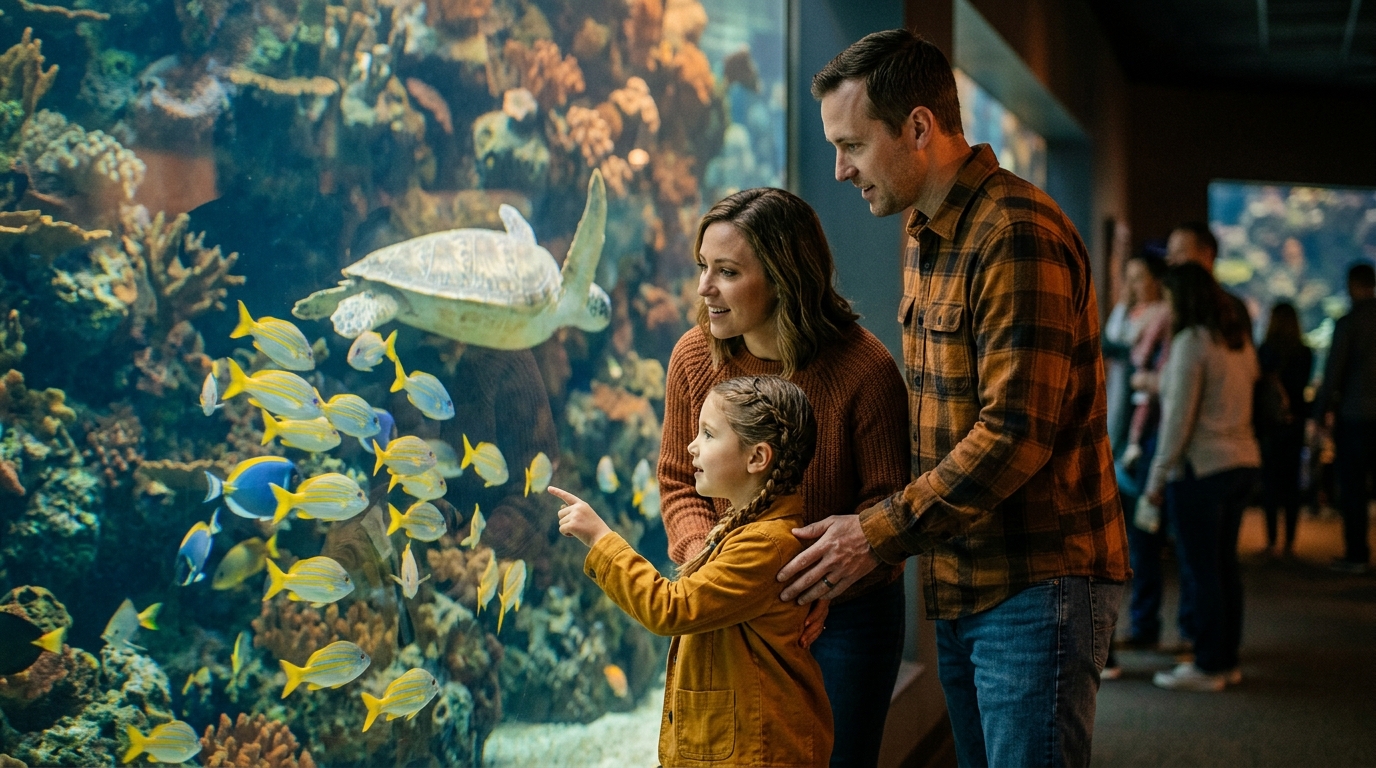
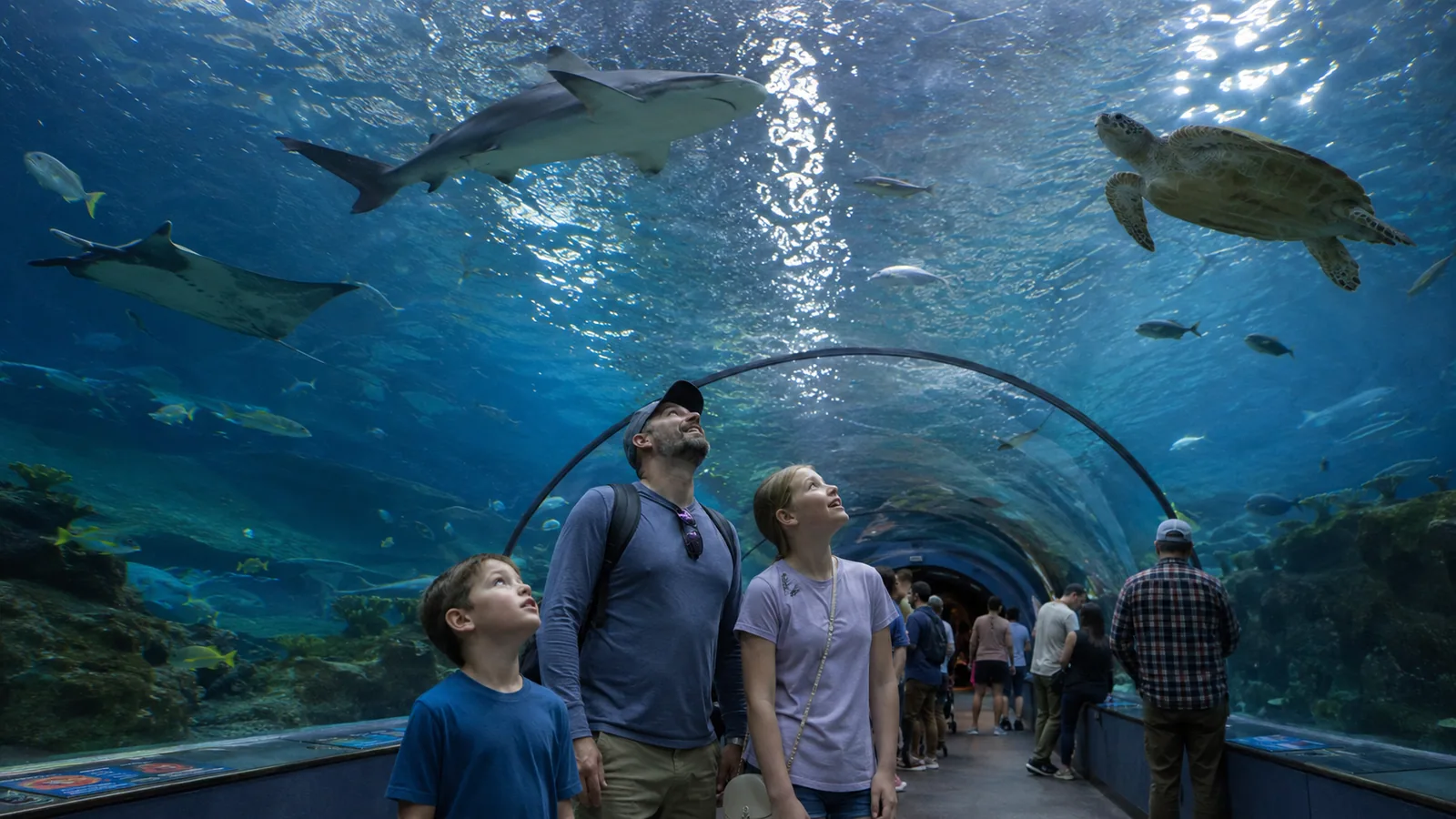
The Suzanne and Walter Scott Aquarium is another major stop. The zoo describes it as the largest aquarium within a zoo. It features a 70-foot-long shark tunnel, king, gentoo, and rockhopper penguins in a snowy Antarctic habitat, coral reefs, temperate oceans, and other ocean environments.
For crowd planning, the aquarium serves as a midday reset. Families often need a break by midday. Feet hurt, children require a change of pace, and everyone may need time away from the sun or wind. The aquarium provides that reset while still feeling like a significant part of the visit.
The shark tunnel is one of those classic zoo and aquarium experiences that almost everyone enjoys. It encourages children to look up, slow down, and feel surrounded by ocean life. Penguins add another layer of excitement, especially since the cold habitat contrasts sharply with the Desert Dome and Lied Jungle.
If your group is starting to fade, the aquarium is a great place to regain energy without leaving the zoo experience behind.
Outdoor Exhibits That Complete the Day
Omaha is renowned for its expansive indoor habitats, but the outdoor exhibits are also crucial to the overall experience.
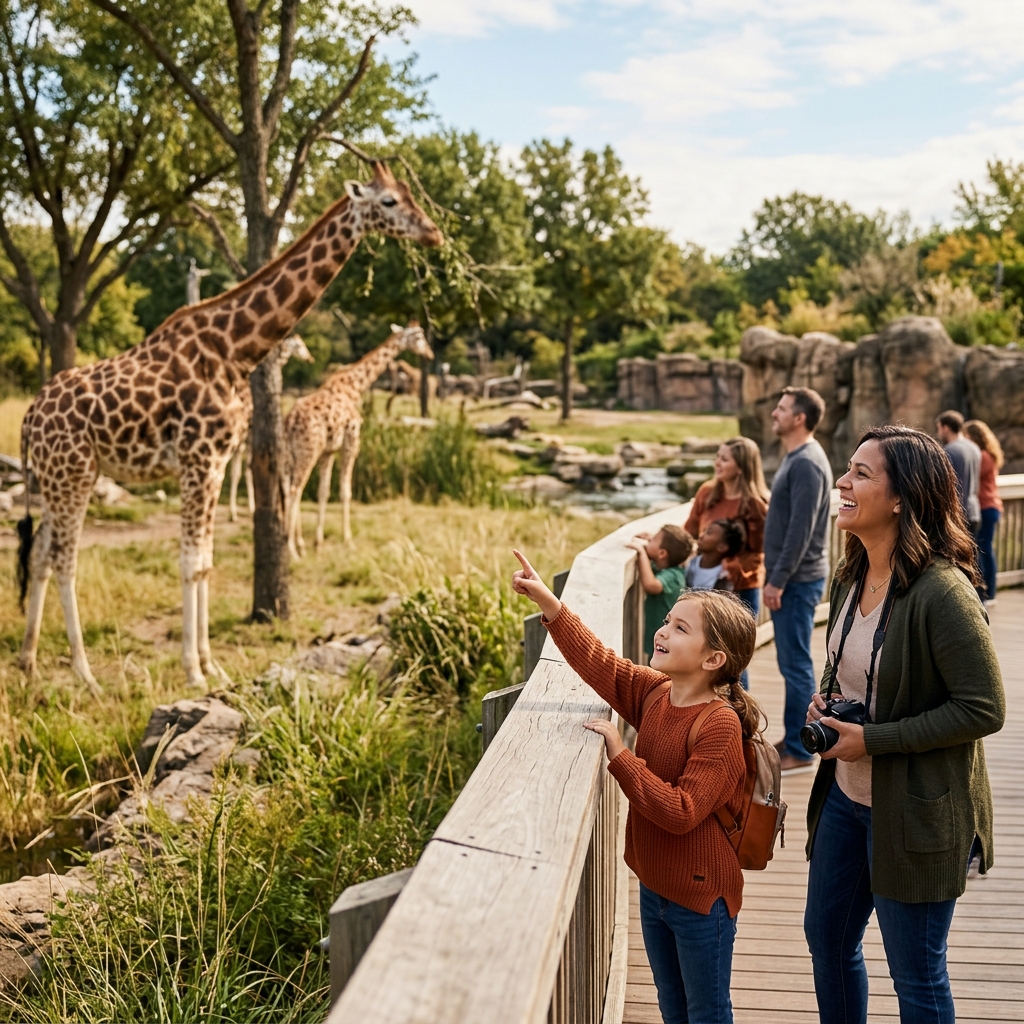
Scott African Grasslands covers 28 acres and features animals such as African lions, giraffes, elephants, and more in broad grassland-style spaces.
Hubbard Gorilla Valley offers visitors a two-acre African habitat where guests can get eye-to-eye with western lowland gorillas. Hubbard Orangutan Forest focuses on Bornean orangutans and siamangs, with overhead pathways designed to encourage climbing, swinging, and natural behaviors.
Owen Sea Lion Shores brings a Pacific Northwest feel, with underwater viewing where guests can see sea lions and seals up close. Hubbard Expedition Madagascar highlights one of the world’s major biodiversity hotspots and introduces visitors to rare and critically endangered wildlife connected to Madagascar.
These areas help balance the day. After a morning of indoor immersion, outdoor exhibits allow the visit to breathe. You can spread out, take your time, and choose based on your energy levels.
Families should remember one important truth: you do not have to see everything to have a successful zoo day.
At a zoo this large, trying to fit every exhibit into one day can turn wonder into exhaustion. Choose your must-see areas first, then let the rest of the day become a bonus.
Global Conservation Impact: Why Omaha Matters Beyond the Gates
The visitor experience is only part of Omaha’s story. The zoo’s conservation work is a major reason it deserves deeper attention.
Omaha’s Henry Doorly Zoo and Aquarium emphasizes conservation as central to its mission, with efforts that protect species, preserve habitats, and advance science. Its conservation initiatives include reproductive science, conservation genetics, species survival work, in situ and ex situ programs, and partnerships that support biodiversity worldwide.
This is important because modern zoos are often evaluated by more than their exhibits. Families are asking better questions: Is this zoo helping animals? Is it supporting conservation? Does it teach visitors why habitats matter? Does it contribute to research that aids species survival?
Omaha has strong answers in these areas.
One clear example is Madagascar. In 2023, Omaha’s Henry Doorly Zoo and Aquarium, in collaboration with the Madagascar Biodiversity Partnership and the Arbor Day Foundation, celebrated the planting of the six millionth tree in Madagascar. This project aims to reconnect fragmented forests that are home to lemurs, which the zoo identifies as the world’s most threatened group of primates.
This matters because conservation is not just about individual animals; it is also about habitats. When forests disappear, species lose food, shelter, nesting areas, and safe movement between populations. The Madagascar project helps restore forest connections while involving local communities. The zoo notes that the project supports over 180 full-time Malagasy employees, and local people help plant more than 18,000 trees weekly through events organized by Madagascar Biodiversity Partnership staff.
This conservation detail belongs in a Zoos4You article because it helps readers grasp the broader value of a zoo visit. A ticket is not just admission to a fun day; at strong conservation-focused zoos, visitor support helps fund animal care, education, research, habitat work, and partnerships.
Omaha’s reproductive science efforts are another vital aspect. The zoo’s Reproductive Sciences Department studies animal physiology, supports sustainable ex situ management, monitors reproductive health, and employs tools like ultrasonography, endocrine analysis, gamete cryopreservation, artificial insemination, in vitro maturation and fertilization, and embryo transfer.
It is essential to be precise here. Some people casually refer to the phrase Frozen Zoo for genome banking, but that specific name is closely associated with San Diego Zoo Wildlife Alliance. For Omaha, it is better to use the zoo’s own terminology and refer to genome resource banks, reproductive sciences, cryopreservation, and genetic preservation.
The point remains powerful: Omaha is not only caring for animals that visitors see on exhibit; it is contributing to long-term conservation strategies that may help protect species far into the future.
What Families Should Bring and What to Leave at Home
A successful zoo day is easier when you pack wisely. Omaha allows guests to bring outside food and non-alcoholic beverages, as stated on the zoo’s plan your visit page.
This is a significant advantage for families. Snacks, water, simple lunches, and comfort items can save money and reduce stress. If you have children, dietary needs, or picky eaters, being able to bring food can make the day much smoother.
Pack comfortable walking shoes, sunscreen, refillable water bottles, snacks, phone chargers, weather-appropriate layers, and a stroller or wagon if your group needs one. If visiting in summer, consider a change of clothes for children if you plan to use splash areas when they are open.
There are also items you should leave at home. The zoo lists prohibited items including firearms or weapons, tobacco products, alcoholic beverages not provided by the zoo, open fires, sports equipment, balloons, streamers, projectile water toys, loud noise-making items, bikes, skateboards, scooters, Segways, wheeled shoes, skates, and rollerblades. The zoo also reserves the right to inspect bags, strollers, wagons, and other belongings.
These rules are not just about visitor convenience; they help protect animals, staff, guests, and habitats. Balloons, noise makers, thrown objects, and outside feeding can create real problems for animals. A respectful zoo visit means planning in a way that keeps the day safe for everyone.
A Simple One Day Omaha Zoo Route
For a first visit, I suggest this general route as a starting point.
Begin with the Desert Dome right at opening. Take your time and enjoy the scale of the exhibit before the heaviest crowds arrive.
Next, go directly into Kingdoms of the Night. Treat it as part of the same major experience.
After that, move toward Lied Jungle. This keeps your morning focused on the biggest indoor worlds before midday crowds and humidity build.
Pause for lunch before everyone gets too tired. Either bring your own food or choose one of the zoo’s dining locations.
Use the Scott Aquarium as a midday or early afternoon reset. The shark tunnel and penguins provide strong wow factor without requiring extensive outdoor walking.
Then choose your outdoor priority. If your group loves large mammals, head toward African Grasslands. If primates are your focus, explore Hubbard Gorilla Valley and Hubbard Orangutan Forest. If you prefer a coastal feel, include Owen Sea Lion Shores.
End the day with realistic expectations. You may not see everything, and that is perfectly fine. The goal is not to check every box; it is to enjoy the zoo in a way that leaves your family excited rather than exhausted.
After the Visit: Keep the Wonder Going
A zoo day does not have to end when you walk back to the car. Some of the most meaningful parts of the visit can happen afterward, when everyone has time to think about what they saw.
On the drive home, at dinner, or while looking through photos, ask each person to share one favorite moment from the day. It might be the Desert Dome, the aquarium tunnel, the penguins, the gorillas, the rainforest, or simply a funny moment that happened while walking through the zoo.
Then ask one learning question. What animal surprised you? What habitat was most different from what you expected? What is one thing you learned about conservation? What animal would you want to help protect?
These small conversations help children connect the fun of the visit with the meaning behind it. They also help families remember the day as more than a busy outing. Instead of only saying, “We went to the zoo,” children can say, “I learned how desert animals survive,” or “I want to know more about lemurs,” or “I did not know forests in Madagascar needed to be reconnected.”
For families who enjoy photos, choose three favorite pictures from the visit and talk about why those moments mattered. One photo might show excitement. Another might show curiosity. Another might show a quiet moment of watching an animal. Together, those pictures tell the story of the day.
This is also a good way to reinforce the conservation message. Omaha’s Henry Doorly Zoo and Aquarium is not only a place to see animals. It is connected to research, habitat restoration, animal care, and conservation partnerships. When families talk about that after the visit, the zoo experience becomes deeper.
The best zoo days leave people with more than tired feet. They leave people with memories, questions, and a stronger sense of connection to the natural world.
Final Takeaway: Plan Well, Slow Down, and Let Omaha Impress You
Omaha’s Henry Doorly Zoo and Aquarium earns its gold standard reputation because it offers both wonder and substance. The Desert Dome is memorable because of its size, design, and sense of place. Kingdoms of the Night adds mystery and discovery. Lied Jungle brings the feeling of a rainforest into the middle of Nebraska. The Scott Aquarium gives families an underwater experience that feels completely different from the rest of the zoo.
Together, these exhibits create a day that feels much bigger than a normal zoo visit.
But Omaha’s value is not only in what visitors see. It is also in what the zoo helps protect. Its conservation work connects the visitor experience to real world efforts involving research, habitat restoration, reproductive science, and species care. That gives families a reason to feel good about supporting the zoo while also enjoying a memorable day together.
The best way to enjoy Omaha is not to rush through it. Start early. Visit the Desert Dome before the heaviest crowds arrive. Pair it with Kingdoms of the Night. Use indoor exhibits wisely. Choose your must see areas before you go. Ask questions as you explore. Leave room for rest, snacks, photos, and unexpected moments.
Most of all, remember that a successful zoo day is not about seeing every single thing. It is about noticing what you do see.
If your family leaves talking about a favorite animal, a surprising habitat, a conservation story, or a moment that made everyone smile, then the visit did exactly what a great zoo visit should do.
It helped you explore more, roar more, and smile more.
Related Questions
What Is The Best Time To Visit Omaha’s Henry Doorly Zoo?
The best time to visit is right when the zoo opens, especially if you want to see popular indoor exhibits like the Desert Dome, Kingdoms of the Night, Lied Jungle, and the Scott Aquarium before the largest crowds arrive. Weekdays are usually easier than weekends, and late afternoon can also be a calmer time for some exhibits.
How Long Does It Take To Visit Omaha’s Henry Doorly Zoo And Aquarium?
You can spend a full day at Omaha’s Henry Doorly Zoo and Aquarium and still not see everything. For a first visit, plan for at least five to seven hours. Families with children may want to choose their must-see exhibits ahead of time instead of trying to rush through the entire zoo.
Is The Desert Dome Worth Visiting?
Yes, the Desert Dome is one of the most memorable exhibits at Omaha’s Henry Doorly Zoo and Aquarium. It is known for its massive indoor desert environment, dramatic dome structure, desert wildlife, rock formations, and connection to Kingdoms of the Night below it.
What Should Families See First At Omaha’s Zoo?
Families should consider starting with the Desert Dome and Kingdoms of the Night, especially if they are entering near the main entrance. These are popular areas, and visiting them early can make the experience calmer and easier to enjoy.
Can You Bring Food Into Omaha’s Henry Doorly Zoo?
Yes, the zoo allows outside food and non-alcoholic drinks. Families should still check the current visitor rules before going, especially for details about coolers, glass containers, alcohol, and items that are not allowed inside the zoo.
What Makes Omaha’s Henry Doorly Zoo A Good Family Destination?
Omaha’s zoo is a strong family destination because it offers indoor and outdoor exhibits, immersive habitats, animal viewing, educational experiences, conservation stories, and enough variety to keep different ages interested throughout the day.
Sources
“Omaha’s Henry Doorly Zoo and Aquarium.” Omaha’s Henry Doorly Zoo and Aquarium, www.omahazoo.com/home
“Plan Your Visit.” Omaha’s Henry Doorly Zoo and Aquarium, www.omahazoo.com/plan-your-visit
“Hours and Admission.” Omaha’s Henry Doorly Zoo and Aquarium, www.omahazoo.com/hours-and-admission.
“Desert Dome.” Omaha’s Henry Doorly Zoo and Aquarium, www.omahazoo.com/desert-dome
“Mahoney Kingdoms of the Night.” Omaha’s Henry Doorly Zoo and Aquarium, www.omahazoo.com/mahoney-kingdoms-of-the-night
“Lied Jungle.” Omaha’s Henry Doorly Zoo and Aquarium, www.omahazoo.com/lied-jungle
“Suzanne and Walter Scott Aquarium.” Omaha’s Henry Doorly Zoo and Aquarium, www.omahazoo.com/suzanne-and-walter-scott-aquarium
“Conservation at Omaha Zoo.” Omaha’s Henry Doorly Zoo and Aquarium, www.omahazoo.com/conservation-at-omaha-zoo
“Reproductive Sciences.” Omaha’s Henry Doorly Zoo and Aquarium, www.omahazoo.com/reproductive-sciences
“Zoo Celebrates Planting of Six Millionth Tree in Madagascar.” Omaha’s Henry Doorly Zoo and Aquarium, 12 June 2023, www.omahazoo.com/inthenews/posts/zoo-celebrates-planting-of-six-millionth-tree-in-madagascar
“Know Before You Go.” Omaha’s Henry Doorly Zoo and Aquarium, www.omahazoo.com/know-before-you-go