
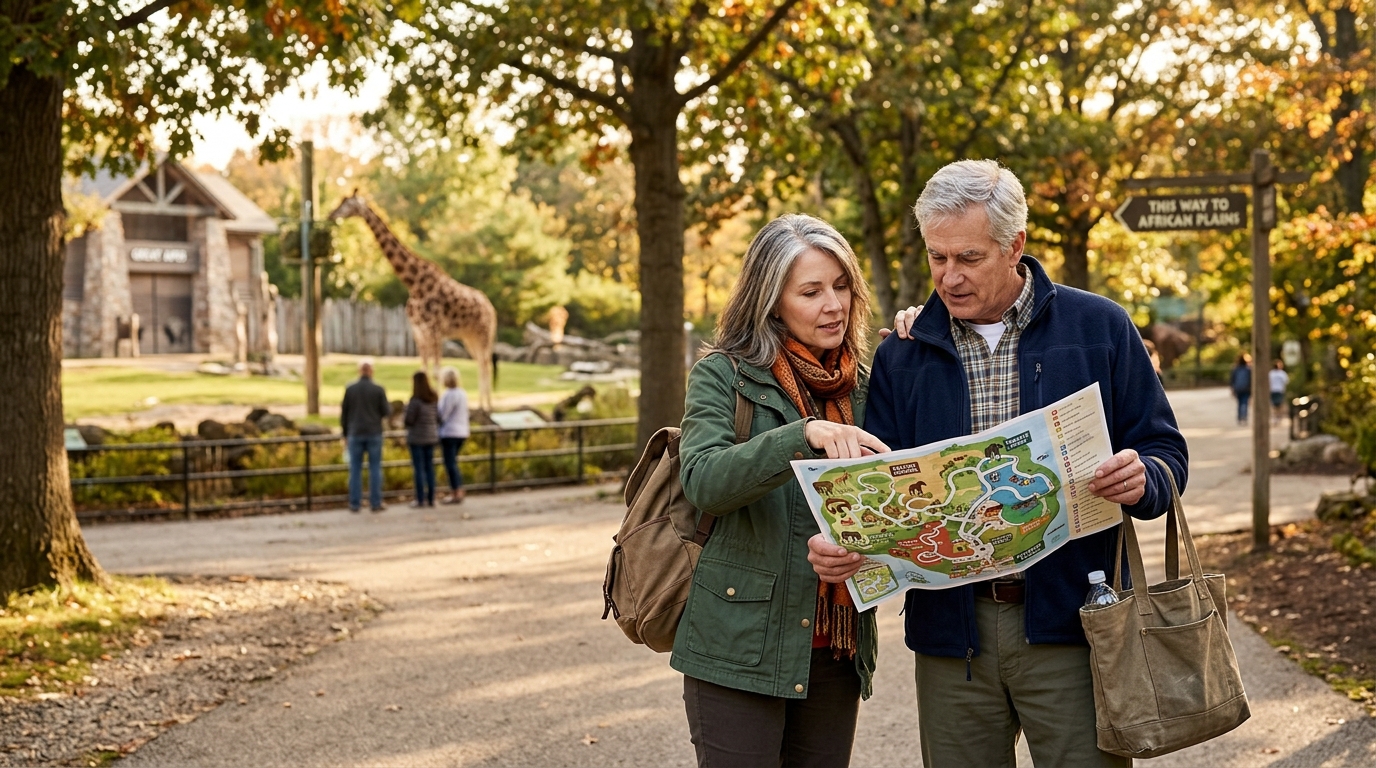
Enhance your zoo visit with these essential zoo map planning tips, ensuring you see must-see exhibits while avoiding crowds and enjoying meaningful moments.
~1,220 words8 sectionsApr 14, 2026On the Road to the Zoo
A great zoo day begins before you reach the first exhibit. Whether visiting as a family, couple, group of friends, or on your own, a little planning can enhance your experience. This is where zoo map planning tips come into play.
Many visitors arrive eager, only to find themselves doubling back, missing favorite animals, or spending too much time deciding where to go next. Zoo visits are thrilling, but they also present challenges like crowds, changing weather, and tired children. A simple plan can make a significant difference. By learning how to use a zoo map, you can create the best route for your visit, focus on must-see exhibits, and leave room for breaks and unexpected moments along the way.
Consider your zoo route plan. Think about starting points that align with popular exhibits, such as the majestic elephants or playful sea lions. By prioritizing these must-see animals, you set the stage for a smooth day without the stress of getting sidetracked.
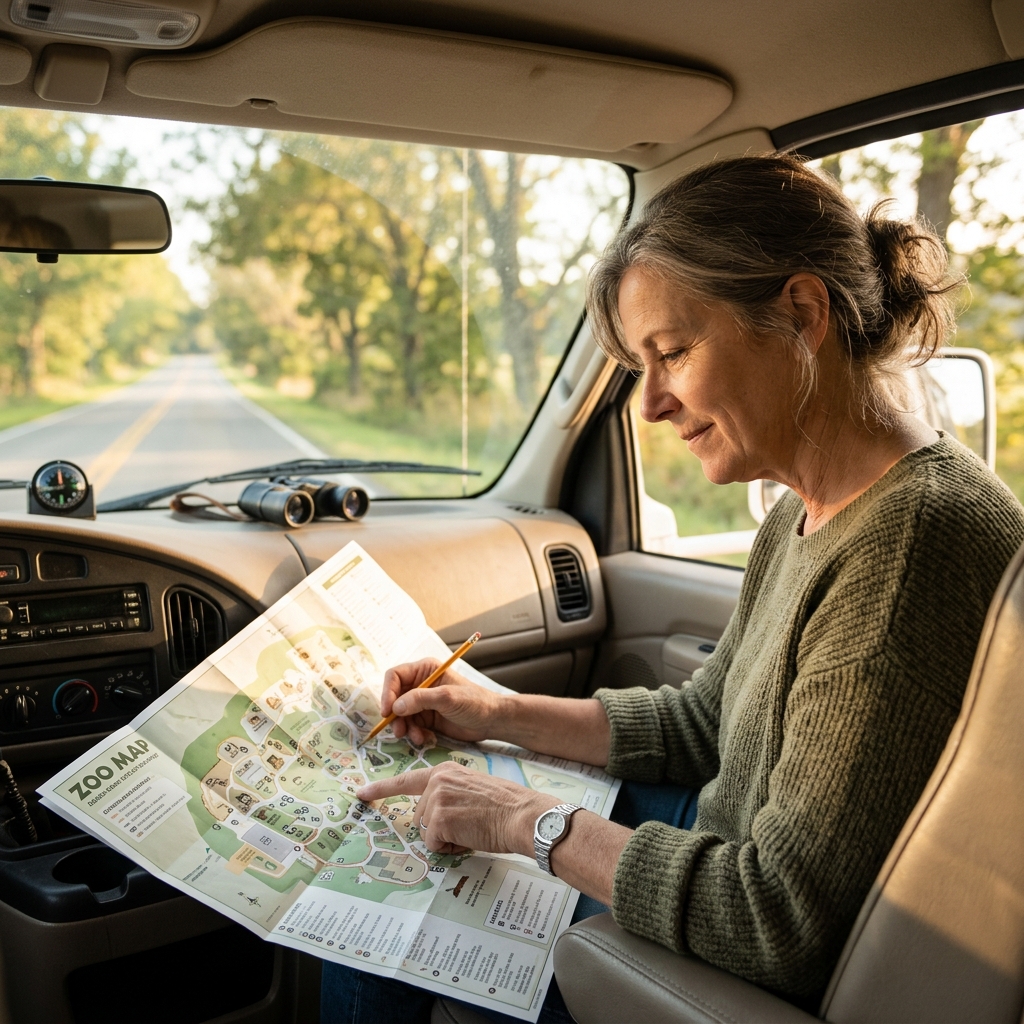
Start with the Zoo Map Before You Walk in
One of the best zoo map planning tips is to review the zoo map before your visit. Most zoos provide a printed map at the entrance, a digital map on their website, or a mobile app. Taking a few minutes to familiarize yourself with it can save time and energy later.
Locate the exhibits your group wants to see, along with restrooms, food areas, shaded spots, and family rest zones. If the zoo has a train, tram, playground, or seasonal attractions, note those as well. This helps you build a practical zoo visit itinerary instead of wandering aimlessly.
Before your visit, think beyond the map. Tickets, arrival time, and what to bring can shape your day, which is why reviewing a Zoo Trip Planning Checklist: Tickets, Timing, and What to Bring is a helpful resource.
If you are visiting with children, let them choose one or two animals they are most excited to see. This simple step can build excitement and help the day feel more focused.
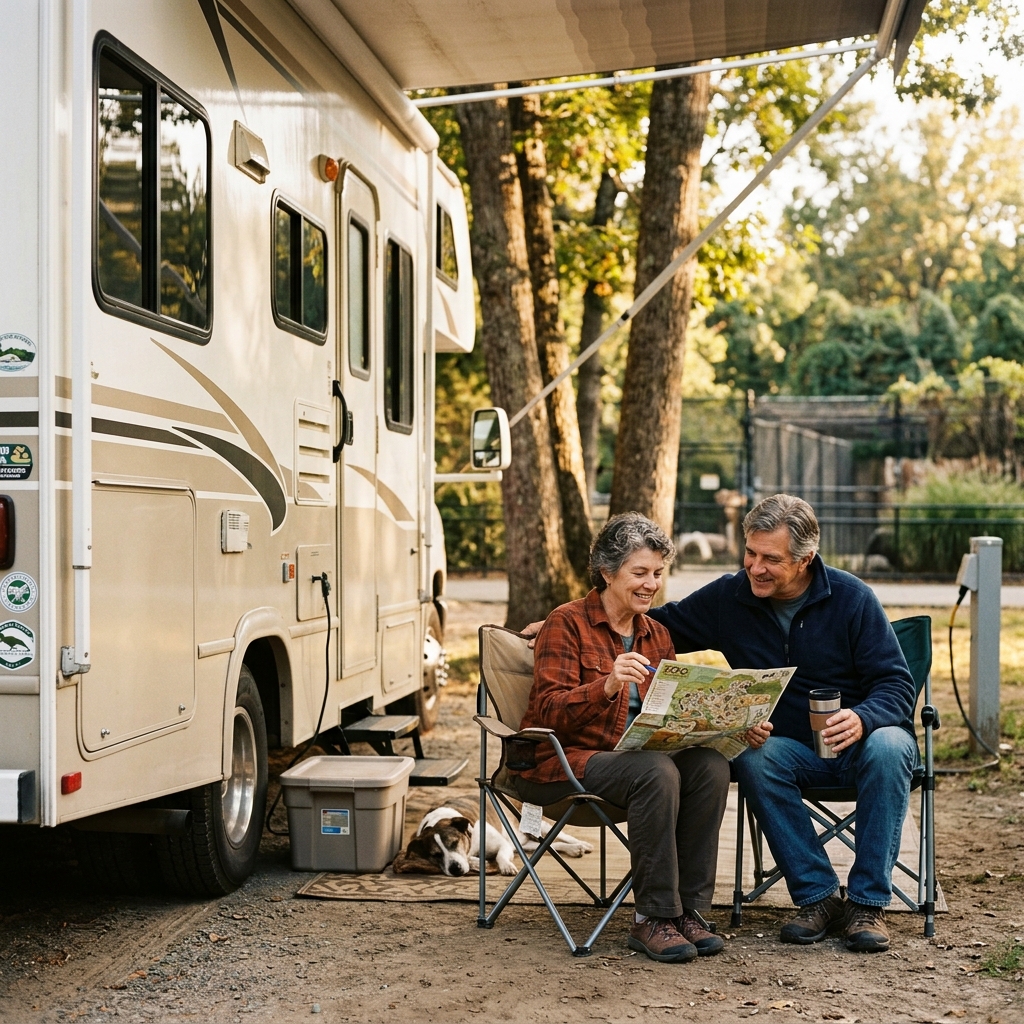
Plan the Best Route for Your Zoo Visit
The best route for a zoo visit typically starts with the most popular exhibits. Big cats, elephants, giraffes, gorillas, penguins, and reptile houses often draw larger crowds as the day progresses. Visiting these first can provide better views and a calmer experience.
Next, try to follow a natural loop rather than zigzagging across the zoo. A loop reduces extra walking and makes the day feel easier for everyone. It also allows you to enjoy nearby exhibits in a more relaxed order.
This is one of the most valuable zoo map planning tips because many visitors underestimate how much walking a zoo visit entails. A good route saves energy and enhances your group's engagement, allowing everyone to enjoy the experience longer. If you have ever wondered about the best order to see zoo exhibits, start with the most popular areas and then move into nearby sections to limit backtracking.
Focus on Must-See Zoo Exhibits
Every zoo is unique, but most visitors have a few must-see exhibits in mind before they arrive. This might include lions, tigers, bears, penguins, otters, giraffes, or a favorite reptile house. Deciding on these priorities early can shape the rest of your day.
When you choose your must-see zoo exhibits ahead of time, the visit feels less stressful. You are not trying to do everything at once; instead, you ensure that the most important experiences happen first. After that, anything extra feels like a bonus.
Sometimes the best memories come from the exhibits you expected to love, while other times they arise from the ones you almost passed by. A quiet aviary, a shaded primate trail, or a peaceful stop near flamingos can become some of the favorite parts of the day. A well-planned zoo trip itinerary should guide your visit without feeling rigid.
Use Timing to Avoid Crowds
Timing is crucial, almost as much as the route itself. If possible, arrive close to opening time. Morning visits are often cooler, less crowded, and better for seeing popular animals before pathways fill up.
As a teenager, I often visited the San Diego Zoo on rainy days. It became my favorite time to go because the zoo felt wide open. Many people avoided walking in the rain, making the quieter paths feel calmer and more personal. This taught me early on that timing and conditions can significantly change the feel of a zoo visit.
Weekends, holidays, and school breaks usually bring more visitors, especially late morning through early afternoon. During those busier hours, indoor exhibits can be a smart choice, offering shade, a slower pace, and a chance to regroup.
Another helpful strategy is to check the zoo schedule before your visit. Keeper talks, feedings, and animal demonstrations can be highlights of the day. Incorporating these into your zoo trip itinerary makes your route feel more intentional and rewarding. The best zoo plan provides structure while allowing for the fun of discovering unexpected moments.
Build in Breaks and Enjoy the Experience
A good zoo trip itinerary should include breaks. Many visitors attempt to see everything without stopping, which can make the day feel tiring rather than memorable. Use the zoo map to find benches, food areas, picnic spaces, family rest zones, and indoor exhibits where your group can pause and reset.
This is important for every type of visitor. Families with young children may need snack and restroom stops. Older adults may appreciate shorter walking stretches and more places to sit. Couples and solo visitors may want extra time to slow down and enjoy the habitats more fully.
Some of my most cherished zoo memories are not from the biggest exhibits but from quieter moments, like sitting near a habitat, hearing a child laugh at an otter, or watching everyone take a moment to enjoy their surroundings. Good planning allows room for those moments.
Make the Visit Fit Your Group
The best zoo visit planning tips help you tailor the day to your group. Families, couples, grandparents, school groups, and solo visitors all move at different speeds and have different interests in the zoo experience.
A family with small children may need stroller-friendly paths, snack breaks, and easy restroom access. Grandparents may prefer shorter loops with more benches. Couples may want a slower pace to linger at favorite exhibits, while a group of friends may prioritize animal encounters, photo spots, and food stops. A solo visitor may enjoy the freedom to spend extra time reading signs, observing animal behavior, and exploring quieter corners of the zoo.
This is why learning how to use a zoo map is so important. It provides a simple way to plan a route, adjust your pace, and make the day feel easier from start to finish.
Final Thoughts
The best zoo day is not always the one where you see everything. It is the one where you feel present, unhurried, and glad you came. I have found that the best zoo visits are those with enough planning to enjoy the day and enough flexibility to appreciate unexpected moments.
Before your next visit, take a moment to study the map, choose your priority animals, and think through the best route for your zoo visit. A simple plan can help you avoid backtracking, reduce stress, see must-see exhibits, and create a smoother, more meaningful day for everyone.
If you are still deciding where to go, How to Choose an Ethical Zoo Welfare can guide you in looking for strong animal welfare standards, conservation focus, and potential warning signs before your visit.