
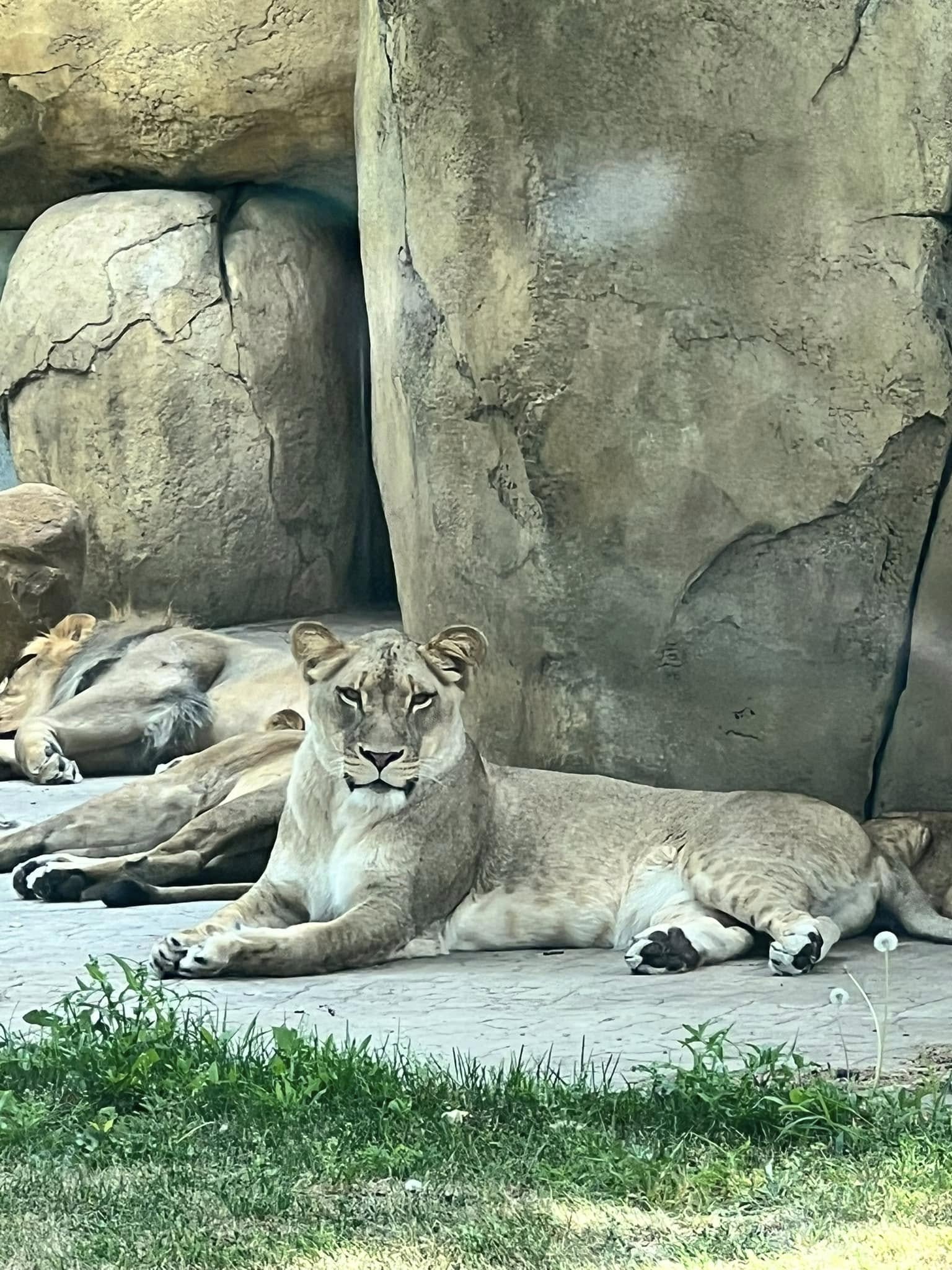
**Use this zoo trip planning checklist to learn what to bring to the zoo, the best time to visit the zoo, how to find zoo tickets and discounts, and simple family tips for zoo visits.**
~1,574 words8 sectionsApr 4, 2026Zoo Spotlights: Discovering Your Local Gems
A zoo day can be exciting, memorable, and full of discovery. It can also feel rushed if you are not prepared. With the right zoo trip planning checklist, you can spend less time worrying about logistics and more time enjoying the animals, exhibits, and special moments that make the day worthwhile.
Every zoo has its own personality. Some are known for major exhibits and large collections. Others stand out for local charm, conservation work, beautiful grounds, or hands on learning for children. Before your visit, take a few minutes to explore the zoo website or social media pages. This can help you spot special events, seasonal exhibits, animal talks, or feeding times you may want to include in your plans.
A little research ahead of time can also help you understand what makes that zoo unique. Some locations focus on specific habitats or species. Others feature gardens, interactive areas, or educational spaces for children. When you know what to expect, it becomes much easier to plan a visit that feels both fun and meaningful.
Wild Encounters: The Animals Await
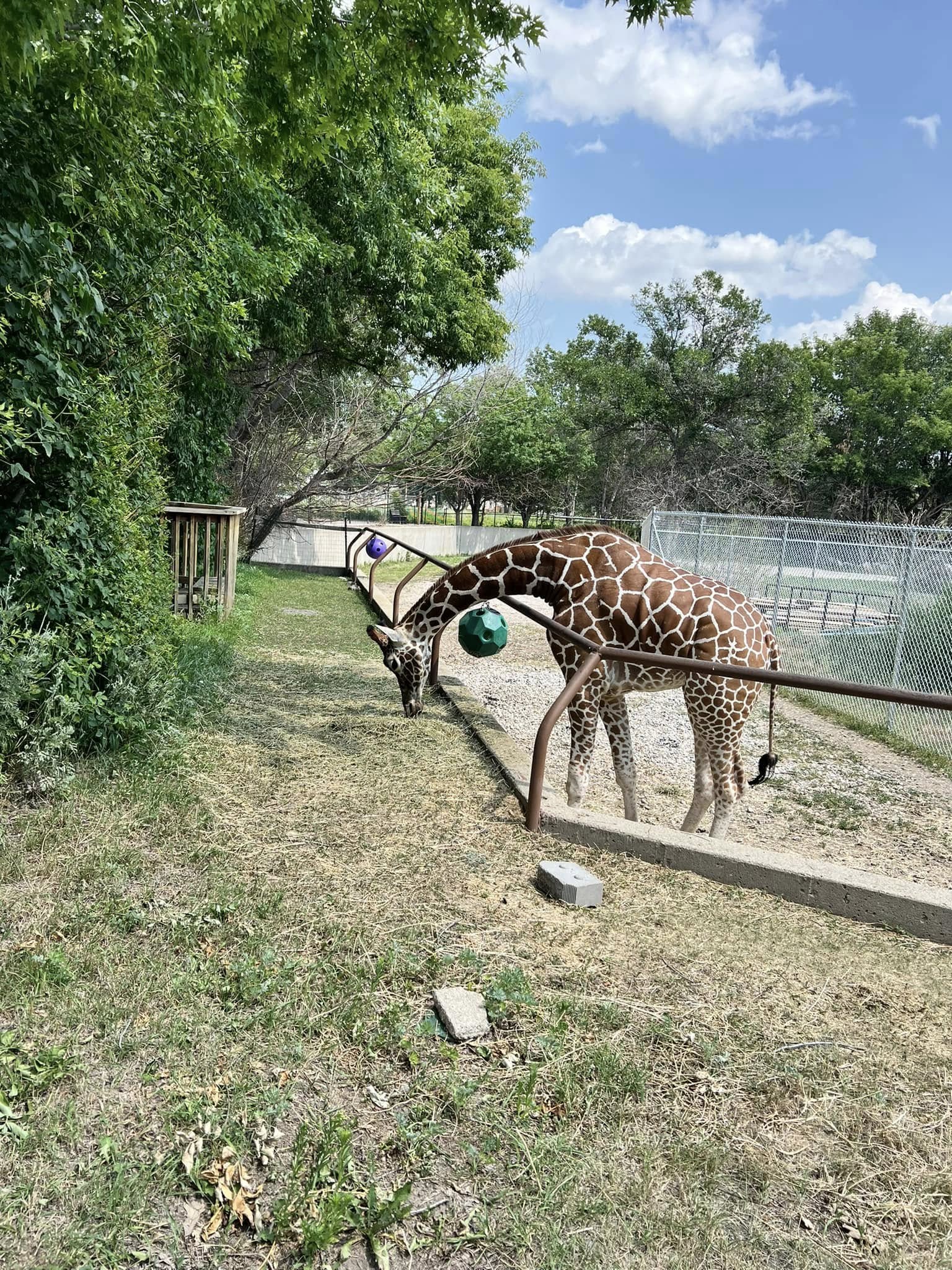
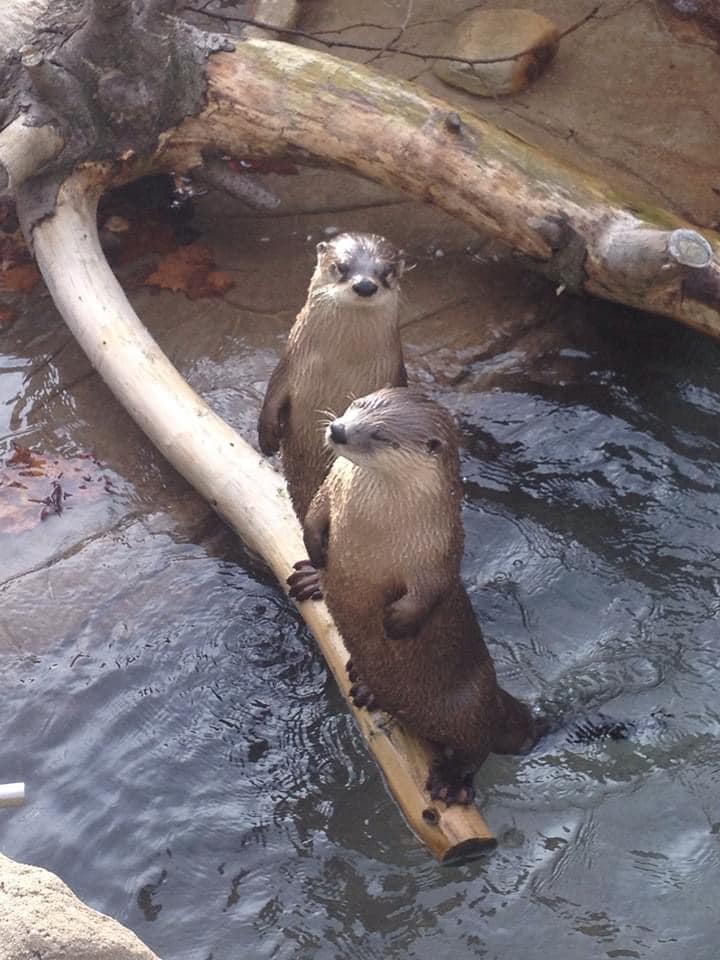
There is something special about seeing animals up close. Watching a giraffe reach for leaves, seeing otters move through the water, or hearing birds call from nearby habitats can create moments that stay with you long after the visit ends. These encounters are part of what makes a zoo day memorable for both children and adults.
To get even more from the experience, look for scheduled feedings, keeper talks, or demonstrations. These events often give visitors a deeper understanding of animal behavior, habitats, and conservation efforts. Instead of simply walking past an exhibit, you have the chance to learn something new and connect more closely with the animals you are seeing.
If you have the chance, ask a zoo staff member or volunteer a question. They often share memorable details about animal care, daily routines, and conservation work that make the experience feel more personal and meaningful.
It also helps to stay curious. Ask questions about the animals, their environments, and the challenges they face in the wild. These conversations can turn a simple outing into a richer learning experience. If you are visiting with children, encourage them to point out what surprises them most or to share facts they remember from the day.
A zoo visit is not only about seeing animals. It is also about understanding why they matter. Every exhibit points to a larger story about wildlife, habitat protection, and conservation.
Plan Your Visit: Zoo Trip Planning Checklist for Tickets, Timing, and What to Bring to the Zoo
A little zoo visit preparation can make your day much smoother from the beginning. Use a zoo trip planning checklist to cover tickets, timing, and what to bring to the zoo before you leave home.
Zoo Tickets and Discounts: Check online for zoo tickets and discounts before your visit. Many zoos offer lower prices for advance purchases, family bundles, or membership savings. Buying tickets early can also help you avoid long lines at the entrance.
Best Time to Visit the Zoo: Arriving early is often the best time to visit the zoo because parking is easier and many animals are more active. Spring and early fall can also be great seasons to go because the weather is often milder and crowds may be smaller.
What to Bring to the Zoo: When deciding what to bring to the zoo, focus on simple essentials that make the day more comfortable. Pack water bottles, sunscreen, comfortable walking shoes, hats, and a camera. Snacks can also be helpful, especially if you are visiting with children. If the zoo allows outside food, a packed lunch may save money and make the day easier.
Before leaving, check the weather forecast. If rain is possible, bring an umbrella or rain jacket. If the day will be hot, light clothing and sun protection can make a big difference.
It is also a good idea to create a simple plan for the day. Choose a few must see exhibits and check the schedule for talks or feedings you do not want to miss. If the zoo has an app, download it before you go so you can use it for directions, schedules, and updates during your visit.

Family Zoo Visit Tips: Making the Day More Fun and Less Stressful
Zoo visits can be wonderful family outings when the day has a little structure and flexibility. A few easy family zoo visit tips can help everyone stay engaged and make the experience more enjoyable.
One fun idea is to turn the visit into a simple scavenger hunt. Ask children to spot animals with stripes, long tails, big ears, or unique colors. This keeps them involved and encourages them to pay attention to the exhibits in a more interactive way.
Many zoos also offer family friendly educational programs. Animal encounters, activity stations, and special demonstrations can add excitement and make the visit more memorable. These experiences often help children connect what they see with what they learn.
Take plenty of photos throughout the day so you can look back on favorite moments later. For many families, the memories that last the longest are often the simplest ones, like a child laughing at playful otters, everyone stopping together at the giraffe habitat, or talking about a favorite animal on the walk back to the car.
After the visit, talk together about what everyone liked most, what surprised them, and which animal left the biggest impression. You could also keep a small zoo journal or save a favorite photo from the day.
These simple ideas offer practical family tips for zoo visits and can turn a regular outing into a shared experience filled with connection, discovery, and memories.
Behind the Habitats: Understanding Animal Welfare
One of the most valuable parts of a zoo visit is learning more about how animals are cared for. Behind every exhibit is a team working to support animal health, enrichment, and habitat quality. Paying attention to this side of the experience can give your visit more depth.
Look closely at the signs and displays near each habitat. Many zoos explain what the animals eat, how their spaces are designed, and what conservation efforts are connected to their care. This information helps visitors better understand the work involved in supporting animal well being.
If the zoo offers behind the scenes tours, these can be especially helpful. Visitors may learn how food is prepared, how enrichment activities are created, and how staff members care for animals each day. These details can make the zoo feel more educational and more personal.
When choosing where to go, animal welfare can also be part of your planning process. Look for clean habitats, educational materials, visible enrichment, and signs of strong conservation involvement. These are good indicators that the zoo takes its mission seriously.
Travel and Discovery: Expanding Your Zoo Experience
Visiting different zoos can add variety and depth to your understanding of wildlife. Each zoo reflects its own location, mission, and approach to education. That means every zoo trip offers something a little different.
If you are traveling, consider adding a zoo to your plans. Some zoos specialize in regional wildlife, while others feature animals from very different ecosystems. Visiting a new zoo can expose you to species, habitats, and programs you may not see close to home.
Many zoos also offer special experiences such as guided tours, workshops, or conservation based programs. These can make your trip more interesting and help you appreciate the broader purpose behind the visit.
Over time, these experiences can do more than fill a day on the calendar. They can encourage curiosity, support learning, and strengthen your connection to the natural world.
Why a Zoo Trip Planning Checklist Matters
A strong zoo trip planning checklist does more than help you remember a few things to pack. It helps shape the entire experience. From choosing the best time to visit the zoo to finding zoo tickets and discounts and deciding what to bring to the zoo, good planning removes common stress points and makes room for the parts of the day that matter most.
When families feel prepared, they are more likely to slow down, stay present, and enjoy meaningful moments together. When visitors know what to expect, they are also more likely to engage with the educational side of the zoo, notice the details in animal habitats, and take advantage of talks and programs that deepen the experience.
That is why this kind of article works so well as a pillar piece. It helps first time visitors, families, travelers, and animal lovers in one place. It answers practical questions people are already searching for while reinforcing the bigger value of a well planned zoo day.
Quick Zoo Trip Planning Checklist * Check the zoo hours and ticket options Look for zoo tickets and discounts* Choose the best time to visit the zoo* Decide what to bring to the zoo* * Check the weather forecast * Review the zoo map * Pick a few must see exhibits * Look for feedings, talks, or demonstrations * Pack water bottles, sunscreen, hats, and comfortable shoes Plan simple family tips for zoo visits*, such as breaks, snacks, and photo moments
Final Thoughts
A little zoo visit preparation goes a long way. With a clear zoo trip planning checklist, you can find zoo tickets and discounts, choose the best time to visit the zoo, and decide what to bring to the zoo before you head out.
Whether you are planning a family outing, a local adventure, or a zoo stop while traveling, a little preparation can help you make the most of your time. The result is a visit that feels smoother, more enjoyable, and far more memorable.